Resources
Smart Ways Startups Can Cut Costs Without Sacrificing Growth

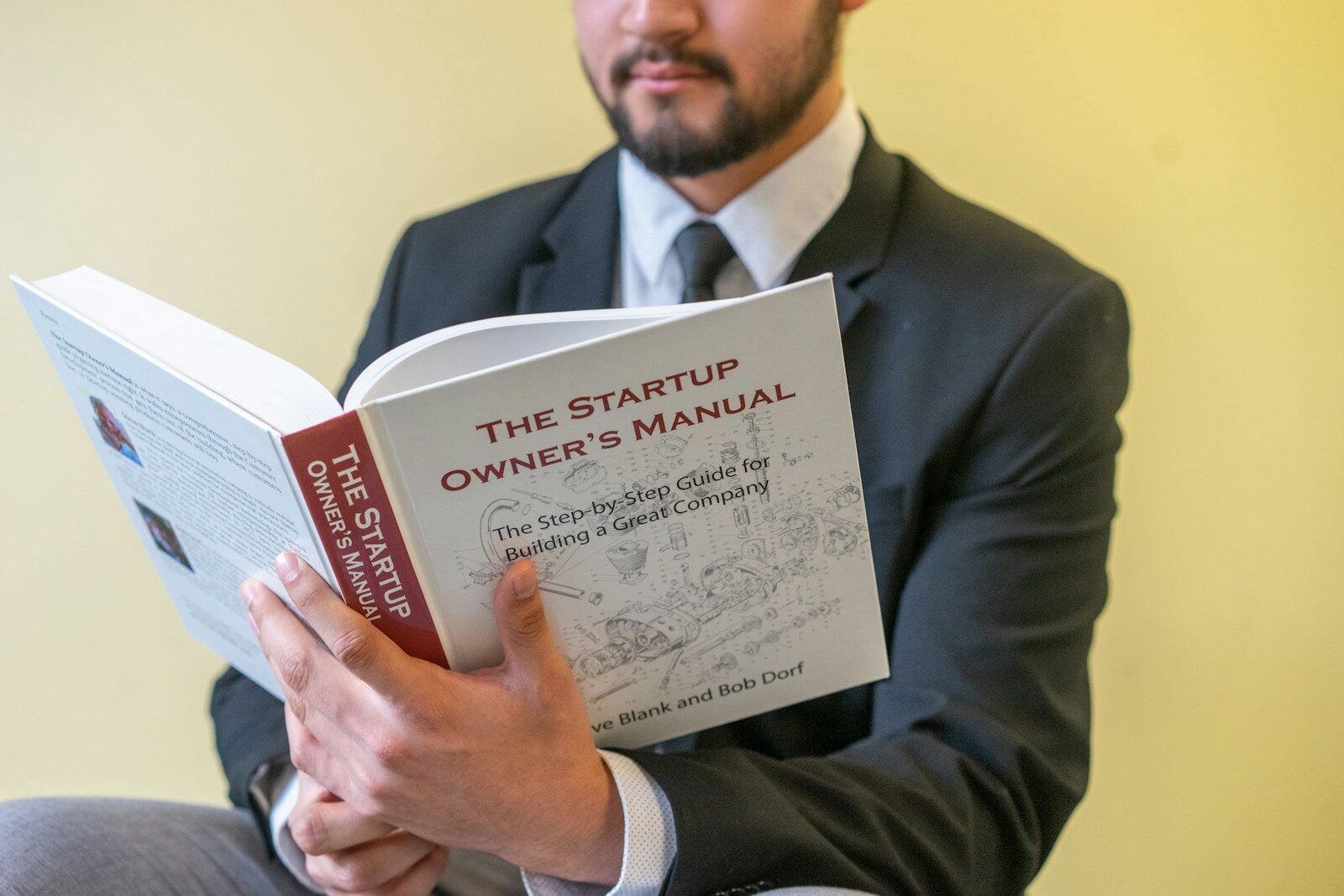
Running a startup often involves tight budgets and the constant quest for efficiency. To ensure long-term success, startups must find smart ways to cut costs without hindering growth potential. One effective strategy is to leverage resources such as Latest Deals discount vouchers to keep expenses in check.
Streamlining Operations
Streamlining is just a fancy way of saying: stop bleeding time and money in places that don’t move the business forward. Most startups don’t need to “work harder”—they need fewer steps, fewer handoffs, and fewer recurring tasks that someone shouldn’t be doing manually in 2026.
As Tom Church, Co-Founder of LatestDeals.co.uk—a discount code platform—puts it: “The biggest savings usually come from removing friction, not pushing people harder. Audit the steps, cut the repeats, and only then automate what’s left.”
Start with a quick process audit. Pick 3–5 core workflows (sales handoff, onboarding a customer, shipping/fulfillment, invoicing, support). Map the steps in plain language and ask two blunt questions:
- Where do we wait? (approvals, meetings, “I’ll get back to you,” switching tools)
- Where do we repeat ourselves? (copy/paste data, duplicate docs, double-entry, status updates)
Kill or compress the worst offenders first. You’ll usually find easy wins like cutting meeting frequency, removing redundant approvals, consolidating tools, and using templates/checklists for anything repeatable.
Next, automate the boring parts. You don’t need heavy engineering to get real results—basic automation can remove hours of admin every week:
- Auto-create invoices, reminders, and receipts
- Route leads and support tickets to the right person
- Trigger onboarding emails and task lists when a deal closes
- Sync data between your CRM, helpdesk, and accounting tool
The rule: automate only after you simplify. Automating a messy process just helps you do the wrong thing faster.
Finally, consider remote work as an operational lever, not a perk. Office costs aren’t just rent—they’re utilities, furniture, snacks, commuting friction, and the hidden tax of people being interrupted all day. A remote-first (or hybrid-by-default) setup can immediately reduce overhead, and if done cleanly it can increase focus.
To keep remote from turning into chaos:
- Document key processes (short, living docs—no novels)
- Track outcomes, not hours
- Standardize tools for communication and file-sharing
- Make meetings optional unless they produce a decision
Streamlining operations isn’t about being cheap. It’s about being sharp: fewer moving parts, faster execution, and a team that spends time on work that actually compounds.
Prioritizing Essential Expenses
Cutting costs isn’t about going cheap across the board—it’s about getting ruthless with focus. When budgets are tight, every pound needs a job. Ideally, that job connects directly to:
- Growth
- Customer value
- Keeping the lights on
1) Identify Your “Must-Win” Activities
Start by naming the handful of things your business must do well to grow. For most startups, that’s usually some mix of the following:
Common must-wins for startups
- Building and improving the product
- Core features
- Reliability
- Speed/performance
- Acquiring customers
- Channels that actually convert
- Less “nice-to-have” brand activity
- Supporting customers
- Retention
- Reducing churn
- Delivering the service
- Anything tied directly to fulfill what you sell
Everything else falls into one of two buckets:
- Supportive (helpful, but not critical)
- Optional (not bad—just not sacred)
2) Fund Impact, Not Habits
A lot of startup spending is just momentum:
- Tools you signed up for during a sprint
- Subscriptions no one owns
- Marketing experiments that never got measured
Flip the default. Spend where you can point to a clear outcome.
Keep, scale, or pause
- Keep it if a tool saves real hours every week.
- Scale it if a campaign produces qualified leads at a sustainable cost.
- Pause it if something “might be useful someday.”
High-impact investments don’t have to be expensive—they just have to move the needle. That might look like:
- Upgrading hosting to improve stability
- Paying for one strong contractor who unblocks a launch
3) Review Budget Allocations on a Schedule (Not Just When You Panic)
Make cost discipline routine. A lightweight monthly check-in is usually enough.
Monthly budget check-in questions
- What did we spend last month that we would not spend again?
- What’s the ROI (or learning) for each major line item?
- Which expenses are quietly growing?
- Software
- Ads
- Contractors
- What can we downgrade, consolidate, or cancel immediately?
Assign ownership
Give every expense an owner. If no one owns a cost, it tends to live forever.
The Goal
Protect the spending that drives your next milestone—and cut the rest without guilt. That’s how you stay lean and keep moving fast.
Leveraging Technology
Tech is one of the few areas where “spend less” can also mean “move faster.” The trick is picking tools that scale with you instead of locking you into expensive commitments early.
Use open-source to dodge licensing fees. If you’re paying recurring seats for basic needs, you’re probably bleeding cash. Plenty of reliable open-source options cover the fundamentals—operating systems, databases, analytics, CRMs, help desks, even design and CMS tools. The win isn’t just price; it’s flexibility. You can start lean, customize when needed, and avoid getting trapped in vendor pricing as your team grows. Just be smart about it: choose active projects with strong communities and clear documentation, and budget a little time for setup.
Move to cloud services for scalability (and fewer headaches). Buying and maintaining servers is a classic early-stage money pit. Cloud platforms let you pay for what you use, scale up during spikes, and scale down when things calm down. That means fewer upfront costs, less IT overhead, and faster deployment. Keep it under control by using basic guardrails: turn on billing alerts, stop unused instances, and pick managed services when they save real engineering time. Cloud can get pricey if unmanaged—but it’s unbeatable when you’re disciplined.
Go cost-effective with digital marketing. You don’t need a huge ad budget to get traction—you need focus. Content marketing, SEO, email newsletters, and partnerships often outperform scattershot paid campaigns, especially early on. Start by doubling down on one or two channels your audience actually uses, set simple conversion tracking, and run small tests before scaling. Retargeting and highly specific keyword ads can also be efficient if your funnel is tight. The goal: measurable growth without paying for vanity impressions.
Bottom line: leverage technology to reduce fixed costs, automate the boring stuff, and buy flexibility—so you can keep building without burning cash.
Smart Hiring Practices
Hiring is where startups quietly bleed cash—usually not because people are expensive, but because the wrong type of hire is.
The goal
- Hire smarter (not less)
- Stay flexible
- Only lock in fixed costs when the work is proven and recurring
Use Freelancers and Contractors for Spikes, Experiments, and Specialized Work
Not every need deserves a full-time salary. If the work is project-based, seasonal, or still being validated, bring in contractors.
Good fits for freelance/contract work
- Design sprints
- Branding
- Landing pages
- Pitch decks
- Growth and tracking
- Paid ads setup
- SEO audits
- Analytics implementation
- Short-term engineering bursts
- A feature build
- An integration
- Performance cleanup
- Business operations setup
- Legal
- Finance
- HR foundation work
Rules of thumb
- If it’s not 20–30 hours/week for the next 6–12 months, don’t default to full-time.
- Pay for outcomes, not hours, when you can:
- Clear deliverables
- Deadlines
- Acceptance criteria
- Start small:
- Begin with a paid test project before committing longer-term.
Why it works: burn stays low while you still move fast with high-quality talent.
Build Talent Internally by Upgrading the Team You Already Have
External consultants can be great, but dependency is expensive. A lean team that continuously levels up is a compounding asset.
Practical ways to level up without becoming a “training company”
- Cross-train for coverage
- One person learns basic analytics
- Another learns simple automation
- Another learns customer onboarding
- Create lightweight internal documentation
- “How we ship”
- “How we run support”
- “How we do releases”
- Outcome: saves time every week.
- Use micro-learning
- 30–60 minutes/week
- Skill-building tied to real work (not random courses)
Payoff
- Fewer handoffs
- Less reliance on outside specialists
- Less disruption when someone’s out
Partner with Other Startups to Share Resources and Talent
Early-stage companies often need the same roles—just not full-time. Strategic partnerships can fill gaps without adding permanent headcount.
Examples
- Shared fractional roles
- CFO
- HR ops
- Security
- QA
- Swapping expertise
- Your engineering help for their growth/marketing help
- Joint hiring pipelines
- Referrals
- Shared sourcing
- Lower recruiting costs and better candidates
Keep it clean
- Put boundaries in writing:
- Scope
- Hours
- Confidentiality
- Ownership of work
- Avoid “vague favors.”
- Treat it like a real agreement, even if it’s friendly.
Bottom Line
Stay flexible, keep fixed costs intentional, and build a team that can do more with less—without burning out or stalling growth.
Negotiating and Sourcing Deals
Cost-cutting doesn’t have to mean penny-pinching. It can just mean buying smarter and negotiating like you actually have options (because you do).
Build real supplier relationships (not just “vendor lists”).
If a supplier knows you pay on time, communicate clearly, and aren’t a constant fire drill, you become a low-maintenance customer. Low-maintenance customers get flexibility: better terms, faster support, occasional price breaks, and heads-up on promos. Simple moves help: one point of contact, predictable ordering, and a quick quarterly check-in call instead of random last-minute asks.
Review agreements on a schedule, not when you’re already bleeding cash.
Most startups sign a tool/service contract once and never look again. Put renewal dates in a shared calendar and review 60–90 days before they hit. That window is where leverage lives. Ask:
- “What’s the best price you can do if we renew early?”
- “Can you match your current promo pricing?”
- “Can we move to monthly until usage stabilizes?”
- “Can you remove seats/features we don’t use?”
Even a small reduction across software, shipping, and contractors can mean serious runway.
Negotiate terms, not just price.
Sometimes the discount is less valuable than better cash flow. Push for:
- Net-30 or net-60 payment terms
- Volume-based pricing as you grow
- Grace periods for downgrades
- Bundled services (support, onboarding, training) included free
- Caps on annual price increases
A contract that doesn’t punish you for changing needs is basically startup insurance.
Use bulk purchasing and group buying without overbuying.
Bulk deals are great when you’re buying things that won’t become obsolete or expire. Think: packaging, office essentials, common components, cloud credits (if predictable), routine services. If your demand is uncertain, consider group buying with friendly startups—shared orders for better pricing, split delivery, split risk. You can also do “bulk” via committed spend with flexible drawdown (same discount, less storage pain).
Shop for discounts like it’s part of operations.
Make deal-hunting systematic: keep a running list of recurring expenses and check for vouchers, annual plan promos, nonprofit/startup programs, and partner discounts. As Tom Church, Co-Founder of LatestDeals.co.uk, puts it: “If it’s a repeat expense, it’s worth a repeat check for discounts—use voucher codes and seasonal promos as a standard part of procurement, not a last-minute scramble.” Using resources like Latest Deals discount vouchers can shave costs on everyday tools and purchases without changing how you operate—just paying less for the same outcome.
The goal isn’t to win every negotiation. It’s to make “paying full price by default” no longer a thing at your startup.
Embracing Outsourcing Wisely
Outsourcing gets a bad rap when it’s treated like a panic button. Done right, it’s just focus: you keep the stuff that makes your startup you, and hand off the rest to people who do it faster, cheaper, and better.
As Tom Church, Co-Founder of LatestDeals.co.uk (a discount code platform), puts it: “Outsourcing works best when it’s used to protect focus—keep the work that makes you unique in-house, and bring in specialists for everything else with clear deliverables and accountability.”
Outsource non-core activities to specialists.
Start with tasks that are necessary but not differentiating. Typical winners:
- Bookkeeping, payroll, basic accounting
- Customer support overflow (especially after-hours)
- Design production (ads, landing page assets, pitch decks)
- Content editing, SEO implementation, not necessarily strategy
- QA/testing, routine dev ops, security monitoring
- Recruiting coordination (sourcing, screening) for burst hiring
Rule of thumb: if it doesn’t directly create your competitive advantage, it’s a candidate. Your founders and early team should be spending time on product, distribution, and customer learning—not chasing invoices or formatting slide decks.
Keep contracts flexible so you can scale up or down.
Startups change weekly. Your agreements should match that reality.
- Prefer month-to-month, milestone-based, or retainer-with-caps arrangements
- Avoid long commitments until the vendor proves reliable
- Define clear deliverables and response times (e.g., “tickets answered within 4 hours”)
- Build in exit clauses that don’t punish you for pivoting
Flexibility isn’t just about cost—it reduces risk. You can experiment with a partner, keep what works, and cut what doesn’t without a legal hangover.
Monitor outcomes like it’s part of the team.
Outsourcing doesn’t mean “set it and forget it.” If you don’t manage quality, you’ll pay twice: once in invoices, again in cleanup.
- Use simple KPIs: turnaround time, error rate, CSAT, uptime, conversion lift—whatever fits the job
- Assign an internal owner (one person accountable for vendor results)
- Document processes once, then refine them as you go (SOPs save your brain)
- Run regular check-ins, but keep them tight: agenda, decisions, next steps
Also: protect your core. Don’t outsource decision-making, brand voice, or roadmap ownership. You can outsource execution, not accountability.
Outsourcing wisely is basically leverage—more output, less overhead, and fewer distractions. Keep it surgical, keep it measurable, and keep your options open.
Monitoring and Adapting Strategies
Cutting costs isn’t a one-and-done project. It’s a habit. The startups that stay lean and keep growing are the ones that treat spending like a system: track it, question it, adjust it.
Do regular cost check-ins (and keep them short)
Set a recurring cadence—weekly for fast-moving teams, monthly for most others. The goal isn’t to micromanage every coffee receipt; it’s to spot patterns early.
A simple review agenda:
- What went up since last period (tools, ads, contractors, cloud)?
- What are we paying for that nobody touched?
- What can we renegotiate, downgrade, or pause this month?
Tip: assign every recurring expense an “owner.” If no one owns it, it’s noise that sticks around forever.
Use metrics that connect cost to output
Expenses aren’t “bad” if they buy leverage. Tie spend to something real:
- CAC and payback period for marketing
- Revenue per employee
- Gross margin by product or customer segment
- Cloud cost per active user / per transaction
- Tool spend per team (and adoption rate)
When a cost doesn’t map to an outcome, it’s a candidate for pruning—or at least a hard conversation.
Watch trends so you don’t pay yesterday’s prices
Markets change fast: new AI features replace entire software categories, cloud providers tweak pricing, and competitors push down service rates. If you only review your setup annually, you’ll overpay by default.
Build a lightweight “trend scan” into your routine:
- Quarterly vendor comparisons (even if you don’t switch)
- Tracking alternative tools (open-source, newer entrants)
- Keeping an eye on promo offers and discounts (this is where voucher sites can genuinely help for subscriptions, office supplies, or SaaS renewals)
You’re not chasing shiny objects—you’re preventing cost creep.
Make frugality part of the culture (without being cheap)
Frugal teams move faster because they avoid complexity. The key is to be frugal about waste, not about value.
Practical cultural habits:
- Default to “start small, prove ROI, then scale”
- Encourage people to kill unused tools without drama
- Replace “we might need it” purchases with clear triggers (e.g., “buy this when we hit 1,000 active users”)
- Share quick wins publicly: “We cut X tool and saved £Y/month”
People follow what leadership rewards. Celebrate smart restraint like you’d celebrate shipping.
Run small experiments instead of big cuts
If you’re unsure whether an expense is necessary, test it:
- Pause a tool for two weeks and see what breaks
- Reduce ad spend by 20% and monitor pipeline impact
- Move one workload to a cheaper cloud tier and measure performance
Small experiments keep you from making panicked cuts that backfire.
Monitoring and adapting is basically this: keep your eyes open, keep your cost base honest, and only spend aggressively where it clearly fuels growth.


-

 Resources5 years ago
Why Companies Must Adopt Digital Documents
-

 Resources4 years ago
A Guide to Pickleball: The Latest, Greatest Sport You Might Not Know, But Should!
-

 Resources1 year ago
50 Best AI Free Tools in 2025 (Tried & Tested)
-

 Resources1 year ago
Get Paid $5000+ a month to write : Discover 30 Spectacular Websites That Reward Your Writing Effort