News
How Hybrid Work Changed Office Relocations Across the Bay Area

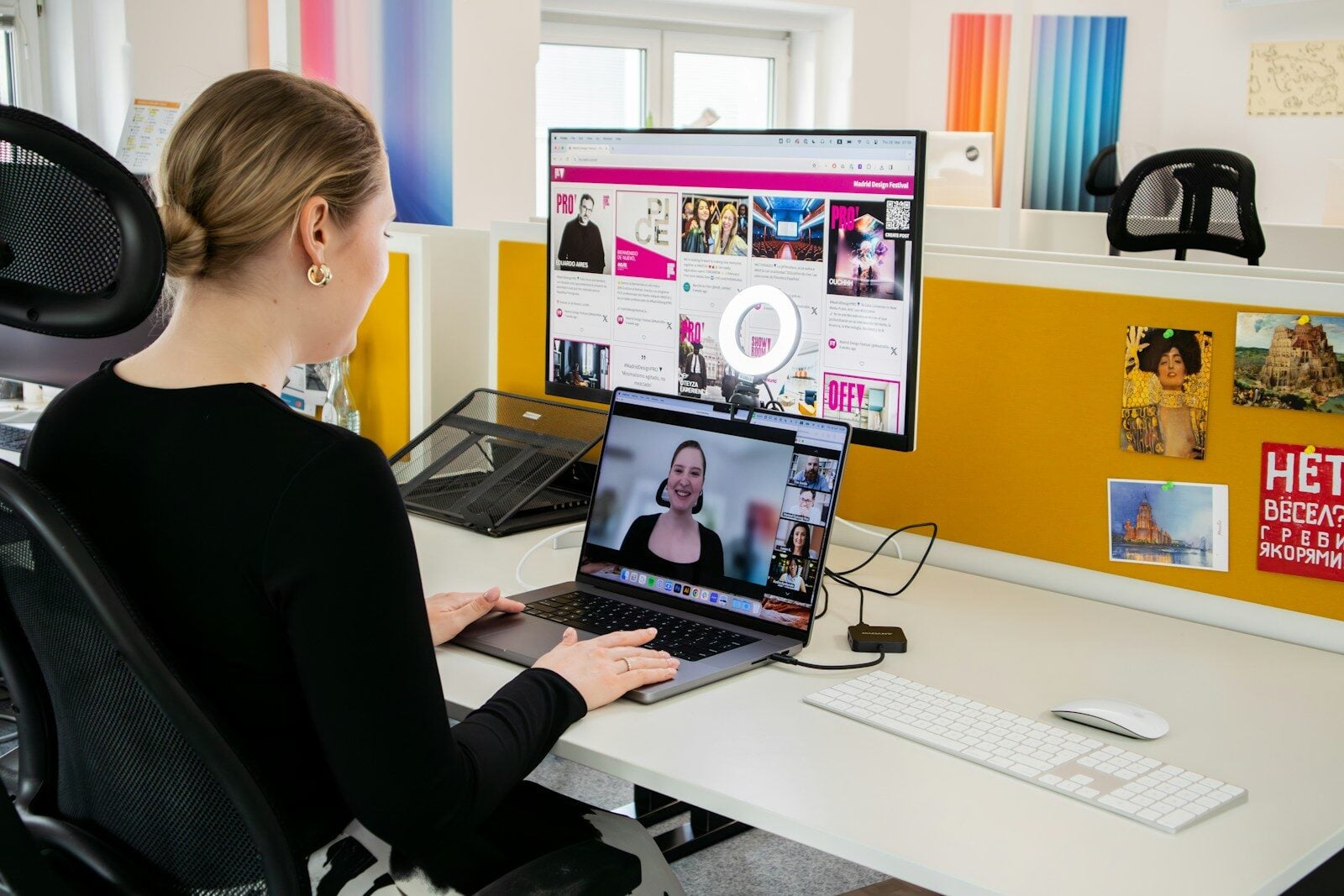
Hybrid work has permanently changed how companies use office space across Silicon Valley and the broader Bay Area. From startups downsizing in San Jose to larger firms restructuring offices across Northern California, businesses are rethinking where teams work, how often employees come into the office, and what office space is actually needed.
As a result, office relocations throughout the Bay Area have become more strategic and operationally focused than they were before the pandemic. Companies are moving into smaller collaborative spaces, opening satellite offices closer to employees, and redesigning offices around hybrid schedules rather than traditional full-time attendance.
Businesses adapting to these changes increasingly work with experienced commercial relocation providers such as FairPrice Movers to coordinate office transitions throughout Silicon Valley, San Jose, Oakland, San Francisco, and surrounding business hubs.
Bay Area Office Trends by the Numbers
The Bay Area office market has changed dramatically over the last several years, but Silicon Valley remains one of the most active technology and venture capital regions in the world.
| Bay Area Office & Tech Trend | Recent Data |
| San Francisco office vacancy rate | Over 30% in 2026 |
| Overall Bay Area office vacancy | Approximately 24% in Q4 2025 |
| Silicon Valley office vacancy | 15.4% in Q1 2026 |
| Share of U.S. venture funding going to Bay Area startups | 57% in 2024 |
| Bay Area startup funding in 2024 | Roughly $90 billion |
| AI share of total U.S. venture capital investment | 46.4% in 2024 |
Even with higher office vacancy rates, Silicon Valley continues attracting startups, artificial intelligence companies, and venture capital investment at a global scale. Many companies are downsizing traditional office footprints while still expanding operations, opening satellite offices, or redesigning workspaces around hybrid collaboration.
Why Office Moves Have Become More Complex
Office relocations are no longer just about transporting desks and furniture from one building to another. Bay Area businesses now coordinate office moves around hybrid schedules, phased employee returns, IT infrastructure timing, and flexible workspace layouts.
Many companies throughout San Jose, Santa Clara, Palo Alto, and the Peninsula are:
- Downsizing oversized office spaces
- Moving into collaborative workspaces with fewer assigned desks
- Opening satellite offices closer to employees
- Redesigning office layouts around shared workstations and meeting areas
- Using temporary storage during renovations or lease transitions
- Moving out of expensive downtown office towers into more efficient suburban office spaces
For companies that cannot afford operational downtime, after-hours office moving and staged relocations have become increasingly common throughout Silicon Valley and the broader Bay Area.
This shift has also increased demand for services involving:
- Weekend office moves
- IT and server relocation
- Cubicle and workstation disassembly
- Furniture installation and reconfiguration
- Elevator scheduling and building access coordination
- Multi-floor office transitions
- Temporary storage during phased renovations
Many growing businesses now rely on experienced Bay Area commercial moving companies to complete office transitions in organized stages without disrupting daily operations.
How Hybrid Work Changed Office Locations in Silicon Valley
In California’s tech sector, hybrid work has changed not only how offices operate, but where companies choose to locate them.
In the South Bay and Peninsula, companies that once held large office campuses in Sunnyvale, Mountain View, and Menlo Park have reduced square footage or moved into smaller, more flexible workspaces closer to where employees actually live.
Startups that previously clustered near downtown San Jose or major Caltrain corridors are increasingly choosing office locations based on employee convenience rather than traditional commuting patterns.
A company with most of its employees living in Willow Glen, Los Gatos, Morgan Hill, or Pleasanton may only require office access a few days per week, making smaller satellite locations more practical than maintaining massive headquarters.
At the same time, Silicon Valley remains one of the strongest venture capital ecosystems in the world. Bay Area startups captured more than half of all U.S. venture funding in 2024, while artificial intelligence companies continue driving major office and hiring activity across the region.
For businesses that still depend on collaboration, recruiting, and access to top engineering talent, maintaining a Bay Area office presence remains extremely valuable.
What Modern Office Relocations Look Like
Today’s office moves are often more complicated than traditional relocations because companies are balancing hybrid schedules, changing office layouts, and evolving operational needs all at once.
Modern commercial office relocations across the Bay Area commonly involve:
- Hybrid workspace redesigns
- Downsizing from traditional offices
- Consolidating multiple office suites into one location
- Temporary storage during construction or renovations
- After-hours moving schedules to avoid disrupting employees
- Coordinated IT setup and workstation installation
- Multi-phase moving schedules completed over several weekends
Many Bay Area businesses also prioritize minimizing downtime during office transitions. This is especially important for technology companies, healthcare offices, financial firms, and startups that depend on uninterrupted operations.
Did Hybrid Work Change Residential Moving Trends Too?
Hybrid work has also changed where employees choose to live throughout Northern California.
Because many workers no longer commute into the office five days per week, more employees have moved farther from expensive downtown business districts into suburban communities and smaller cities throughout the region.
Places like Gilroy, Livermore, Morgan Hill, Pleasanton, Walnut Creek, and parts of the East Bay have become increasingly attractive for professionals seeking more space and lower housing costs while still maintaining access to Bay Area employers.
This shift has increased demand for both commercial office relocation services and residential moving support throughout Silicon Valley and Northern California.
The Future of Office Relocations Across the Bay Area
Hybrid work changed more than where employees sit during the week. It changed how businesses think about office space, collaboration, hiring, and long-term growth across California.
While many Bay Area companies reduced traditional office footprints, Silicon Valley continues attracting startups, venture capital, and technology investment at a global scale. As businesses adapt to flexible work models, office relocations throughout San Jose and the broader Bay Area have become more strategic, phased, and operationally focused than ever before.


-

 Resources5 years ago
Why Companies Must Adopt Digital Documents
-

 Resources4 years ago
A Guide to Pickleball: The Latest, Greatest Sport You Might Not Know, But Should!
-

 Resources1 year ago
50 Best AI Free Tools in 2025 (Tried & Tested)
-

 Resources1 year ago
Get Paid $5000+ a month to write : Discover 30 Spectacular Websites That Reward Your Writing Effort