News
The Business Case for MICE Events: What Startups and Scaleups Get Wrong

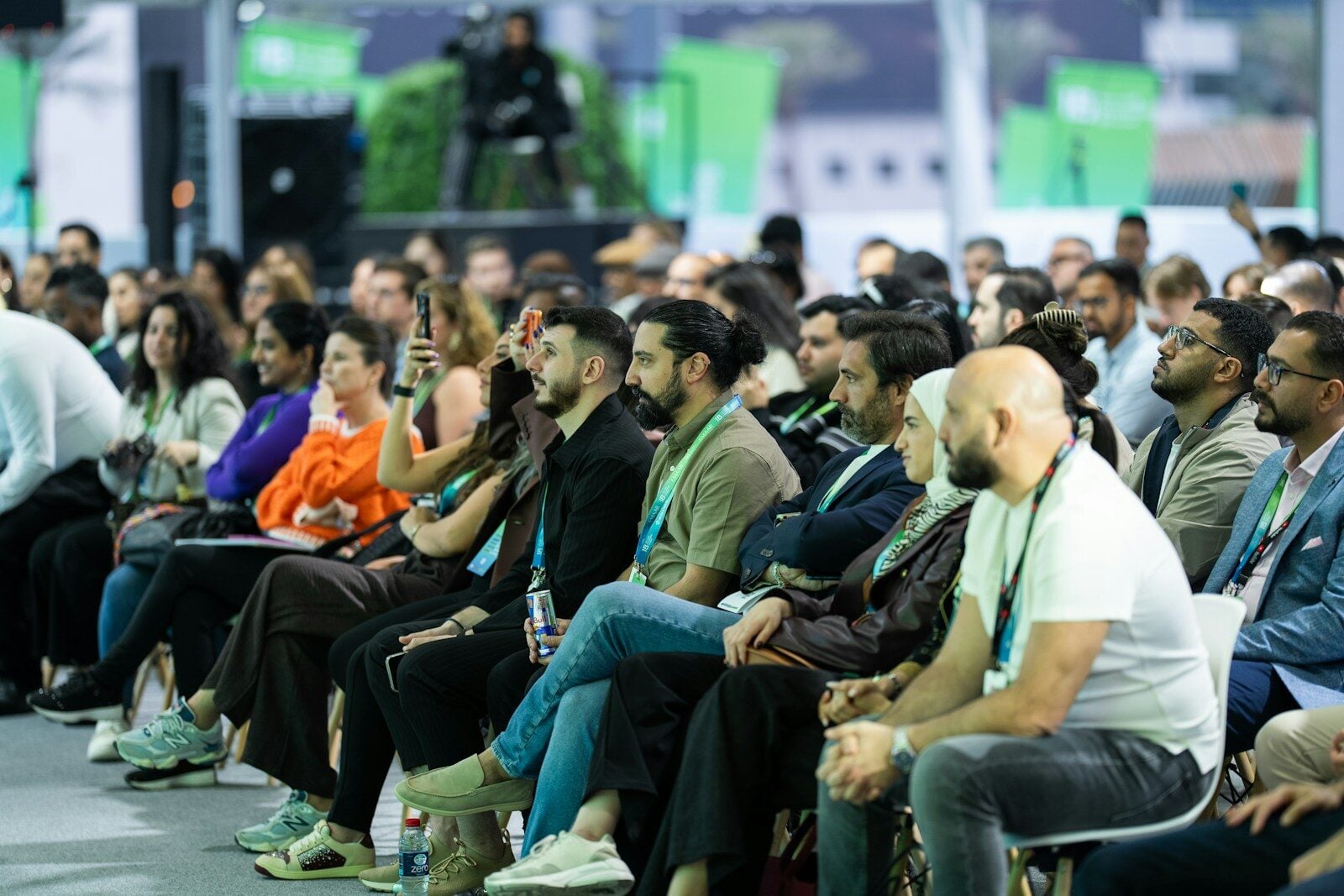
The global MICE industry — Meetings, Incentives, Conferences, and Exhibitions — is on track to surpass $2 trillion by the early 2030s, growing at a sustained rate of around 9% per year. Yet despite these numbers, a large portion of startups and scaleups treat corporate events as an afterthought: something you do when you’ve “made it,” not as a lever you pull while you’re getting there.
That assumption is costing them more than they realize.
This isn’t a piece about event planning tips. It’s about why founders who systematically underinvest in MICE are leaving measurable growth on the table — and what smarter companies are doing instead.
What MICE Actually Means (And Why It Matters for Growing Companies)
MICE stands for Meetings, Incentives, Conferences, and Exhibitions. It’s a broad category that covers everything from internal leadership retreats to client-facing summits, from partner incentive trips to industry trade shows.
The misconception is that MICE is the domain of large corporations with sprawling event budgets. In reality, the formats scale to any company size. A 30-person scaleup can run a highly effective incentive trip for its top performers. A Series B startup can host an intimate industry conference that positions it as a thought leader overnight. The format doesn’t dictate the size — the strategic intent does.
What makes MICE valuable isn’t the events themselves. It’s what they produce: stronger team cohesion, accelerated deal cycles, increased brand visibility, and the kind of trust that only comes from sharing a room — or a city — with someone.
The 4 Most Common Mistakes Startups Make with Corporate Events
Most startups don’t fail at MICE because they lack the budget. They fail because they approach it with a consumer mindset rather than a business mindset. Here’s where things tend to go wrong.
- Planning too late. MICE events require lead time — venues, vendors, travel logistics, speakers, and contingency plans don’t come together in two weeks. Late planning means higher costs, fewer options, and a scramble that undermines the event’s quality before it begins.
- Cutting budget on the wrong line items. Founders often try to save on the “experience” while overspending on the “attendance.” The result is an event people endure rather than one that generates momentum.
- Ignoring ROI from the start. If you don’t define what success looks like before the event, you can’t measure it afterward. Too many teams greenlight events based on gut feel and then can’t justify them when budgets tighten.
- Going fully in-house without local expertise. This is the most underappreciated mistake, especially for events held in destinations the team doesn’t know well. Logistics, supplier relationships, local regulations, cultural nuances, venue quality — these are not things you can Google your way through. Working with a specialist operator, such as an italian dmc when organizing events in Italy, means you’re not starting from scratch in an unfamiliar market. You’re leveraging years of on-the-ground knowledge that translates directly into better outcomes and fewer costly surprises.
The ROI of MICE: How to Measure What Looks “Unmeasurable”
The most common pushback against investing in MICE is that the return is intangible. That’s largely a measurement problem, not a reality problem.
Here’s a practical framework for attaching numbers to your next event:
Pipeline acceleration: Did any deals move faster because of a face-to-face meeting or conference interaction? Track deal velocity 60 and 90 days after the event against your baseline.
Employee engagement delta: Run a pulse survey before and after an incentive trip or team retreat. Engagement drops have real costs — Gallup’s 2024 data puts the global price of disengaged workers at $8.9 trillion annually, with each disengaged employee costing their organization roughly $16,000 per year.
Retention signals: Companies that invest regularly in team-building and off-site events report a 36% higher employee retention rate than those that don’t, according to 2025 benchmarking data. For a scaleup where losing a senior engineer or a key account manager costs six figures in rehiring and ramp time, this number deserves attention.
Brand positioning: How many inbound leads, partnership inquiries, or press mentions followed the event? Attribution is imperfect but not impossible.
The goal isn’t to make every event justify itself on a spreadsheet. It’s to build enough of a measurement habit that MICE stops being treated as discretionary spend and starts being treated as an investment category with a track record.
Incentive Programs Are Not a Luxury — They’re a Retention Tool
Incentive travel — sending top performers on a high-quality trip as a reward — is one of the most consistently effective HR levers that scaleups routinely ignore.
Global employee engagement dropped from 23% to 21% in 2024, the steepest decline since the pandemic. In that context, companies that offer meaningful, experience-based recognition stand out dramatically. And experience-based rewards have a well-documented psychological edge over cash bonuses: they’re more memorable, more shareable, and more strongly associated with the giver.
For a scaleup in hyper-growth mode, where the competition for talent is constant and the cultural glue of a small team starts to stretch as headcount scales, a well-designed incentive program isn’t a perk. It’s retention infrastructure.
How to Choose the Right MICE Format for Your Stage of Growth
Not every format makes sense at every stage. A rough guide:
Pre-seed to Seed: Internal off-sites for leadership alignment. Low budget, high value. Even a one-night retreat with a clear agenda can reset team dynamics and unlock strategic clarity.
Series A: Client and partner events. Small, curated, intentional. A dinner for fifteen key accounts beats a booth at a trade show most of the time.
Series B and beyond: Conferences, incentive programs, and exhibitions. At this stage, you have the headcount to staff an event, the brand to draw an audience, and the partner ecosystem to make it worthwhile.
The key variable at any stage is intent. Events with a clear objective — close three partnerships, increase NPS among enterprise accounts, reduce churn signals in the top 10% of the team — outperform events organized around vague notions of “getting together.”
The Real Question Isn’t Whether You Can Afford It
The founders who get the most out of MICE don’t ask “can we afford to do this?” They ask “what is it costing us not to?”
Every quarter without a deliberate team experience is a quarter where culture drifts, deals stay in limbo, and talent quietly reassesses their options. MICE isn’t about throwing a party. It’s about creating the conditions — shared experiences, aligned incentives, visible investment in people — that compounding businesses are built on.
Start small. Define the objective. Measure what moves. Then do it again.


-

 Resources5 years ago
Why Companies Must Adopt Digital Documents
-

 Resources4 years ago
A Guide to Pickleball: The Latest, Greatest Sport You Might Not Know, But Should!
-

 Resources1 year ago
50 Best AI Free Tools in 2025 (Tried & Tested)
-

 Resources1 year ago
Get Paid $5000+ a month to write : Discover 30 Spectacular Websites That Reward Your Writing Effort