Blogs
What Car Should You Rent in Madeira?

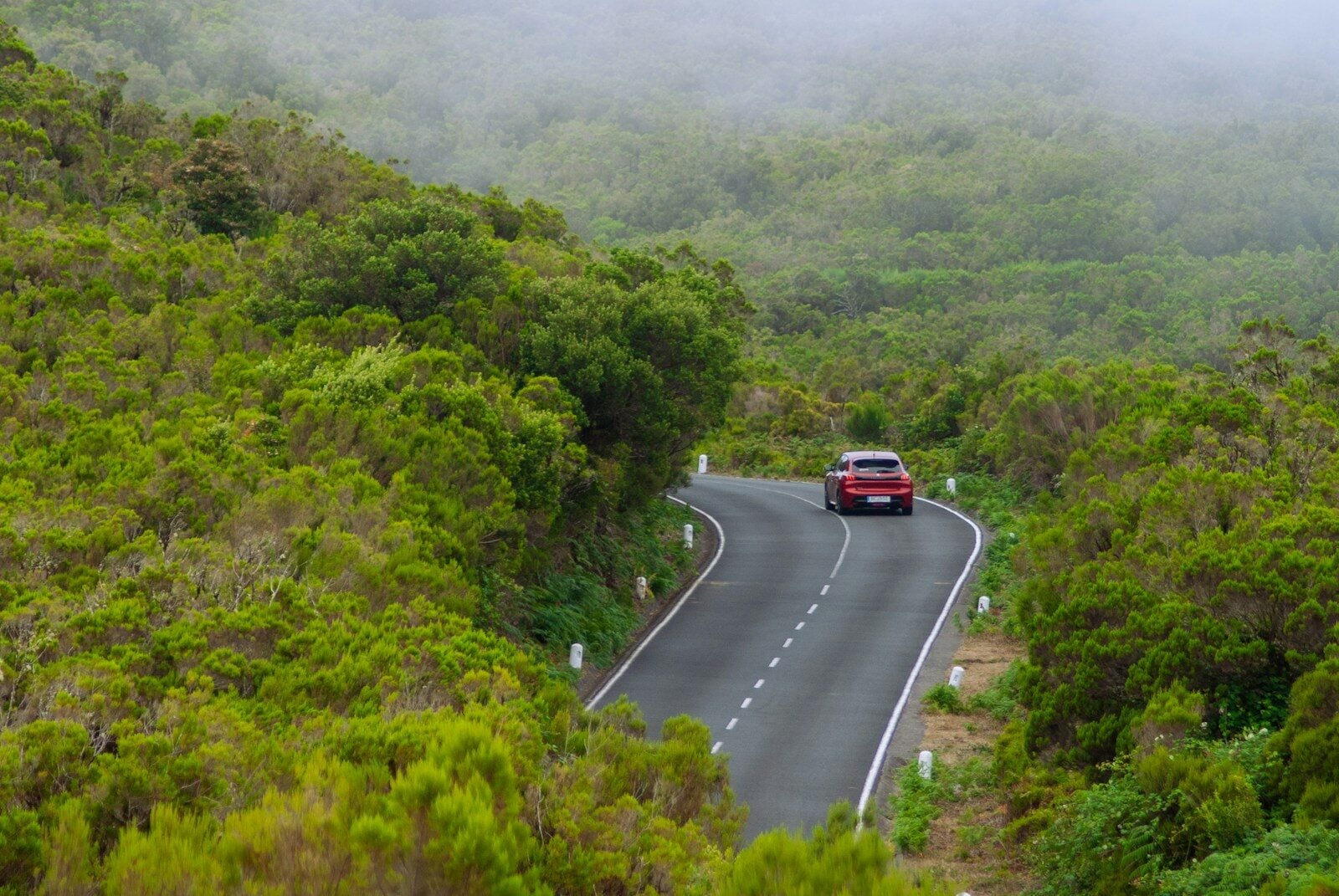
Madeira may be small, but it asks more of a rental car than the map suggests. Leave Funchal on a wide, modern road and half an hour later you could be climbing through cloud, turning into a mountain village or squeezing past another car on a street built long before today’s traffic.
That is why the cheapest rate should not be the only factor in your decision. On RentGo Madeira, you can compare cars by transmission, deposit and payment conditions, but it is also worth thinking about where you will drive, who will be in the car and how much luggage you are bringing.
Start with the roads you will actually use
If your holiday is centred on Funchal, Caniço and the south coast, an economy or compact car will usually do the job well. The main roads are smooth, the tunnels remove many difficult climbs and a small car is easier to fit into city parking spaces.
A mountain-heavy itinerary is different. Roads towards Pico do Arieiro, Curral das Freiras, Santana and smaller inland villages include long inclines, tight bends and sudden changes in gradient. Add four passengers, suitcases and child seats, and a car that felt lively on the airport road can quickly start to feel short of breath.
For a couple travelling light, a compact model is often the sweet spot. A family or group planning several mountain days will be more comfortable in a strong compact, a mid-size car or a compact SUV. Do not rely on the number of seats alone: many five-seat cars have surprisingly small boots.
How much engine power is enough?
You will often hear that Madeira requires at least a 1.6-litre engine. That is a reasonable shortcut, especially for a fully loaded car, but it is not a hard rule. Engine design matters as much as capacity. A modern 1.0- or 1.2-litre turbo can pull better uphill than an older, larger engine, while a hybrid benefits from electric assistance at lower speeds.
If the listing gives little technical detail, a 1.6-litre engine—or a turbocharged or hybrid car with similar performance—is a reassuring choice for four adults, a full boot and frequent mountain drives. Two people staying close to Funchal will probably appreciate easy parking and lower fuel use more than extra power.
Automatic or manual: which feels better here?
Drivers who are used to steep roads may be perfectly happy with a manual. For everyone else, an automatic removes much of the tension from hill starts, slow uphill traffic and parking on a slope. It lets you concentrate on the road rather than balancing the clutch while another car waits behind.
Whichever transmission you choose, use the gearbox on long descents. Select a lower gear instead of keeping your foot on the brake all the way down. In an automatic, look for manual mode or a B, L or S setting, depending on the model.
The daily rate is only part of the bill
A bargain can look rather different after airport delivery, a child seat, an additional driver or late collection has been added. Mileage limits, the fuel policy and insurance choices also affect what you finally pay. Sometimes moving up one class costs little more and gives you a larger boot, a stronger engine and a calmer journey.
Pay close attention to the language used in the offer. No deposit means the usual security amount is not blocked when you collect the car. No credit card means the supplier accepts another stated payment method, such as a debit card or cash. Neither phrase promises zero insurance excess.
The name of an insurance package is not enough either. Check whether tyres, glass, keys and the underside of the car are covered, and note any situations that invalidate the protection. Before paying, confirm the online amount, the balance due on arrival and whether the main driver must present a physical payment card.
A few local driving habits make life easier
Madeira’s navigation apps work well on the main network, but they sometimes favour a short route over a sensible one. If the alternative is a recognised main road, saving a few minutes is rarely worth tackling an extremely steep residential lane.
Use lower gears on descents and approach blind bends slowly. On narrow, steep stretches where only one vehicle can pass, downhill traffic has priority, although courtesy matters more than proving a point. Slow down early and use the nearest passing place.
At roundabouts, give way to traffic already on the circle and signal right before leaving. Blue parking spaces are normally paid, yellow lines mean no parking and white spaces marked with an M are reserved for residents. In central Funchal, an official car park is often easier than circling the side streets.
Check the car before you leave
Before the rental begins, confirm the meeting point, fuel policy, mileage allowance, deposit, excess and payment method. Late flights may involve an out-of-hours fee, so settle that detail in advance.
At collection, take clear photographs of the bodywork, wheels, windows, fuel gauge and mileage. Make sure every existing mark is recorded, then save the booking voucher and the local supplier’s phone number somewhere you can access without mobile data.
So, which car is right for Madeira?
For two people exploring Funchal and the coast, a compact automatic is hard to beat. It is easy to park, economical and comfortable on the main roads. Families, groups with several suitcases and travellers planning regular mountain routes should look at a mid-size car, compact SUV or a model with performance similar to a 1.6-litre engine.
The best choice is not the biggest car or the lowest price on the screen. It is the car that fits your luggage, feels manageable on narrow streets and has enough power to reach the places you actually came to Madeira to see.



-

 Resources5 years ago
Why Companies Must Adopt Digital Documents
-

 Resources4 years ago
A Guide to Pickleball: The Latest, Greatest Sport You Might Not Know, But Should!
-

 Resources1 year ago
50 Best AI Free Tools in 2025 (Tried & Tested)
-

 Resources1 year ago
Get Paid $5000+ a month to write : Discover 30 Spectacular Websites That Reward Your Writing Effort