Blogs
The Most Common Causes of Drywall Damage in Homes

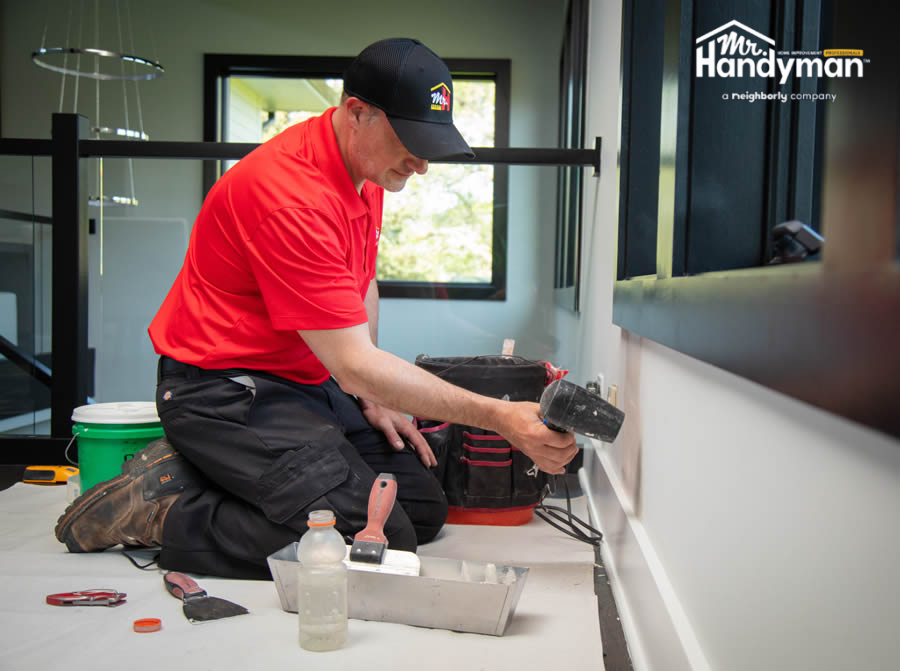
Drywall takes a lot of abuse in a home. A piece of furniture gets moved, a door swings open too hard, or a small plumbing leak goes unnoticed for a while. Before long, the wall has a hole, dent, crack, or stain that was not there before. For homeowners dealing with these issues, professional drywall repair in Dallas can help fix the damage and prevent a small problem from turning into a bigger repair.
The good news is that most drywall damage does not happen without a reason. Once you know what commonly causes it, you can often spot warning signs early and take steps to protect your walls.
Water Damage and Moisture
Water is one of the biggest enemies of drywall. A leaking pipe behind the wall, a roof leak, a damaged bathroom seal, or too much condensation can all lead to trouble. Drywall absorbs moisture, and prolonged exposure can make it soft, swollen, stained, or even moldy.
A water stain on the ceiling or wall should not simply be painted over. The source of the moisture needs to be found first. Otherwise, the same stain may come back, and the damage behind the surface could continue to spread.
Bathrooms, kitchens, laundry rooms, and basements usually deserve extra attention because they naturally have more moisture. Good ventilation and quick action when a leak appears can make a noticeable difference.
Accidental Holes and Dents
Some drywall damage is simply part of living in a home. Moving a large sofa can leave a dent. A shelf may come loose from the wall. A doorknob can hit the drywall repeatedly if there is no doorstop in place.
Small holes from nails and screws are usually easy to repair. Larger holes may require a drywall patch and several steps to blend the repaired area with the rest of the wall. The final finish matters just as much as the patch itself. If the surface is not sanded properly, the repair can remain visible after painting.
Cracks from Normal Home Movement
Homes move slightly over time. This can happen as the foundation settles or as building materials expand and contract with changes in temperature and humidity. As a result, small cracks may appear near windows, doors, ceilings, or drywall joints.
A tiny hairline crack may not be a major concern. However, a crack that keeps getting longer or wider deserves a closer look. Cracks that repeatedly return after repair may also point to an underlying issue rather than a simple drywall problem.
Poor Installation or Old Repairs
Sometimes the drywall itself is not the real problem. The issue may have started when the wall was originally installed or repaired.
Loose fasteners, weak seams, poor taping, or an uneven application of joint compound can all create problems later. A previous patch may also stand out because it was not blended properly with the surrounding surface. This is especially noticeable when sunlight or indoor lighting hits the wall from an angle.
A quality repair should not look like a patch after the work is finished. The goal is to make the repaired area blend naturally into the rest of the wall.
Humidity and Temperature Changes
Indoor conditions can affect drywall more than many homeowners realize. High humidity can contribute to moisture damage and mold, while very dry conditions may cause certain materials to shrink and create small cracks.
These problems are more common in rooms where temperature and humidity change frequently. Using bathroom exhaust fans, improving ventilation, and dealing with leaks quickly can help reduce unnecessary stress on drywall.
Everyday Wear and Impact Damage
Some walls simply see more activity than others. Hallways, stairways, garages, and children’s rooms tend to collect more dents and scuff marks because people and objects are constantly moving through them.
A single small mark may not seem important. Over time, though, several dents and scrapes can make a room look tired. Repairing these areas before repainting can give the entire space a much cleaner appearance.
Problems with Drywall Mudding
Drywall mudding also has a major impact on how a finished wall looks. If the joint compound is applied unevenly or the seams are not finished correctly, the wall may show ridges, visible joints, or cracks later.
When Should You Repair Damaged Drywall?
It depends on the type and extent of the damage. A small nail hole can usually wait until you have time to handle it. A growing crack, water stain, or large hole is a different matter.
Water-related damage should receive attention quickly because the visible mark may only be part of the problem. The same applies to cracks that continue to spread or repairs that repeatedly fail.
When you are unsure about the cause, having the area inspected can save time and prevent you from repairing the surface only to see the same problem return.
How Can You Prevent Drywall Damage?
A few simple maintenance habits can help protect your walls. Check under sinks and around plumbing fixtures for leaks. Use ventilation in bathrooms and other damp areas. Install doorstops where needed, and be careful when moving heavy furniture.
It also helps to deal with small problems early. A minor hole or crack is generally easier to repair than a damaged section that has been ignored for months.
Conclusion
Drywall damage can come from many sources, including water leaks, accidental impacts, normal settling, humidity, poor installation, and everyday wear. Some problems are purely cosmetic, while others may point to moisture or structural concerns that should not be ignored.
The sooner you identify the cause, the easier it usually is to choose the right repair. Keeping up with small maintenance tasks can also help your walls stay in better condition for years.
For professional help with damaged walls and other home improvement projects, Mr. Handyman of Dallas is ready to help. Contact the team today to discuss your drywall repair needs.



-

 Resources5 years ago
Why Companies Must Adopt Digital Documents
-

 Resources4 years ago
A Guide to Pickleball: The Latest, Greatest Sport You Might Not Know, But Should!
-

 Resources1 year ago
50 Best AI Free Tools in 2025 (Tried & Tested)
-

 Resources1 year ago
Get Paid $5000+ a month to write : Discover 30 Spectacular Websites That Reward Your Writing Effort