Blogs
How to Keep Your Commercial Oven Running Smoothly

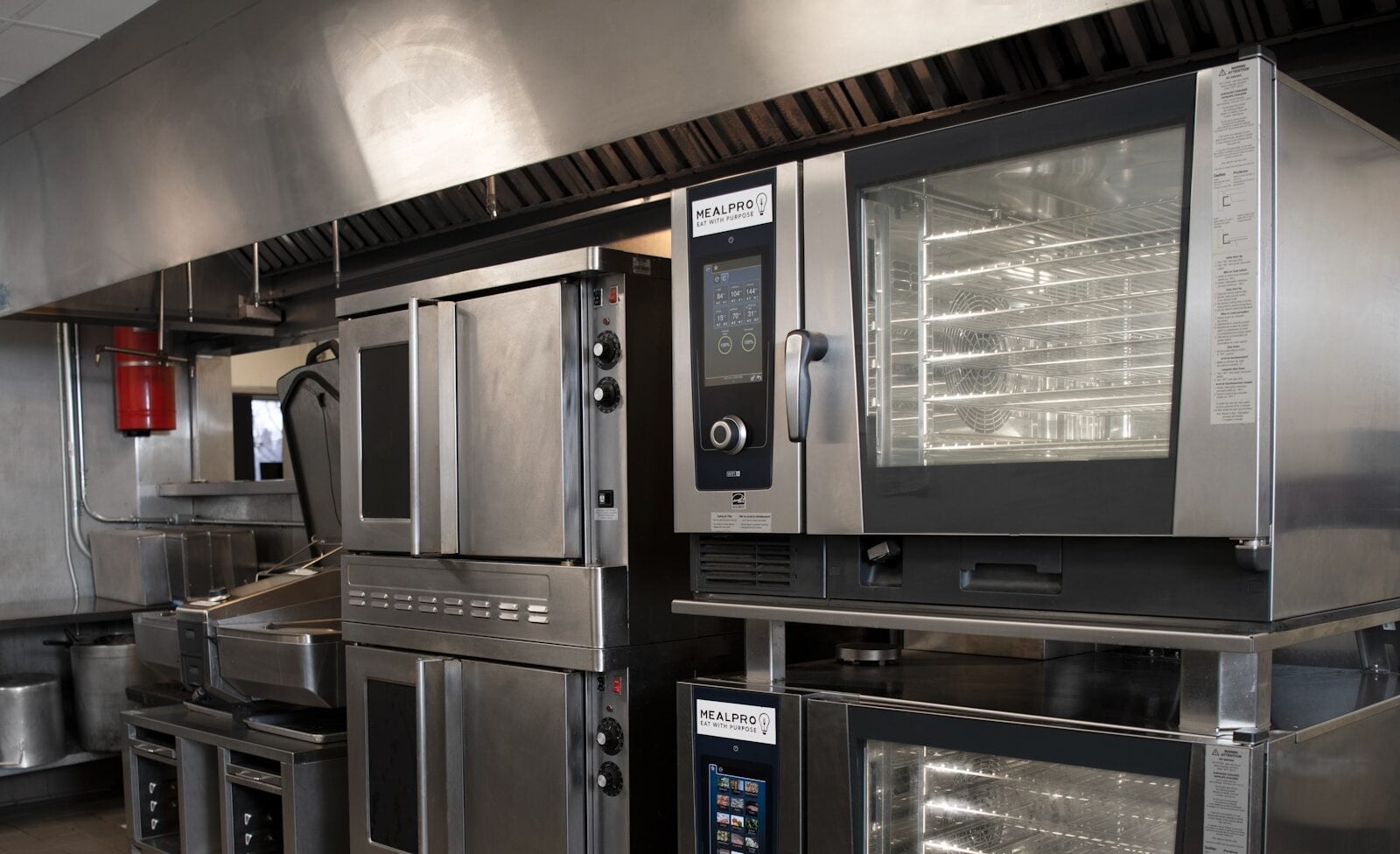
If you run a commercial kitchen, you already know the sinking feeling that hits when a primary oven decides to go dark right before the Friday evening rush. The ticket printer is screaming, order slips are piling up, and your head chef is staring at a cold, non-responsive unit.
Commercial cooking equipment is built like a tank, but it isn’t bulletproof. High volume, intense heat, and continuous grease exposure take a heavy toll on internal components.Knowing how to catch warning signs early—and having a solid line of defense when things go sideways—can mean the difference between a smooth dinner service and thousands of dollars lost in spoiled inventory and walk-outs.
5 Warning Signs Your Commercial Oven Needs Attention
Most kitchen equipment doesn’t just die without warning.It leaves a trail of subtle hints before complete failure.Catching these early signs keeps minor repairs from morphing into full system overhauls.
1. Inconsistent Cooking Temperatures
If your baked goods are coming out burnt on the left side while raw on the right, your unit is trying to tell you something.Uneven cooking often stems from failing heating elements, broken convection fans, worn door gaskets, or out-of-calibration thermostats.
2. Slow Preheating
Does your oven take twice as long to reach set temperature compared to last month? Stalled preheating usually signals a dying electrical element, a failing gas igniter, or heat escaping through cracked door seals.
3. Strange Noises
While commercial kitchens are naturally loud, your oven shouldn’t sound like a metal grinder.Squealing, rattling, or deep buzzing noises point to worn-out fan motor bearings, misaligned blower wheels, or loose mounting hardware.
4. Gas Odors or Unusual Burning Smells
If you catch a whiff of raw gas, shut off the gas line immediately and call a certified technician.A burning plastic or acrid metallic smell usually means electrical wiring is overheating or insulation inside the cabinet has broken down.
5. Spiking Utility Bills
Keep an eye on your monthly energy statements. A sudden spike in gas or electricity costs often means your oven is running constantly just to maintain basic temps because internal components are straining or seals are shot.
DIY Troubleshooting vs. Professional Expertise
When an issue pops up, it’s tempting to grab a screwdriver and tackle the fix yourself to save a buck. However, knowing where to draw the line protects both your staff and your bottom line.
Safe DIY Steps to Try First
- Check the Power Source:Make sure the unit hasn’t tripped a breaker or blown a fuse, and check that the quick-disconnect gas valve wasn’t bumped shut during cleaning.
- Clean the Burner Orifices and Igniters:Built-up grease and food crumbs frequently block gas burner ports, preventing proper ignition.
- Inspect the Door Seals: Look for tear spots, gaps, or brittleness around the rubber gaskets. Replacing a simple gasket is an easy fix that restores heat retention immediately.
When to Call a Certified Service Tech
Anything involving gas line pressures, internal high-voltage wiring, electronic control board diagnostics, or deep thermostat recalibrations requires professional tools and licensing.Attempting complex repairs without training risks fire hazards, gas leaks, bodily injury, and voided manufacturer warranties.
If your kitchen relies heavily on continuous daily operation, reaching out for expert Commercial Oven Repair gets your equipment back to factory specifications safely and swiftly.
The True Cost of Equipment Downtime
Many restaurant owners hesitate to schedule service appointments due to repair costs. Yet, waiting for total equipment failure ends up costing far more than proactive maintenance.
Consider the domino effect of a dead oven:- Lost Sales: If you can’t cook your core menu items, table turn rates drop and orders get canceled.
- Food Waste:Prepped raw inventory sits unused, quickly spoiling and driving up inventory losses.
- Emergency Repair Premiums: Weekend or late-night emergency call-out rates cost significantly more than planned service visits.
- Reputational Damage: Disappointed guests rarely return if their favorite dish is unavailable due to kitchen issues.
Preventative Maintenance Checklist for Busy Kitchens
Establishing a disciplined maintenance schedule keeps your ovens running smoothly and prevents unexpected outages.
Daily Maintenance Tasks
- Wipe down interior walls, doors, and rack slides with mild degreaser once the unit cools.
- Brush crumbs out of gas burner wells or off electric heating elements.
- Clean glass doors using approved non-abrasive cleaners to maintain visibility.
- Empty and clean drip pans underneath burners and doors.
Weekly Maintenance Tasks
- Remove interior racks and soak them to remove baked-on grease buildup.
- Check air intake vents and exhaust hoods to ensure unrestricted airflow.
- Inspect door latches and hinges for smooth operation and tight closing.
Monthly & Quarterly Maintenance Tasks
- Calibrate internal temperature using an independent external probe thermometer.
- Deep clean convection fan blades to prevent grease weight imbalances.
- Check power cables and gas hoses for signs of wear, cracking, or heat damage.
Selecting the Right Service Partner
Having a trustworthy appliance repair technician on speed dial before an emergency hits gives you peace of mind. Look for service providers that offer:
- Certified Technicians:Ensure technicians hold up-to-date industry certifications for both gas and electrical commercial appliances.
- Stocked Service Vans:A company carrying common OEM replacement parts completes repairs on the first visit far more often.
- Rapid Response Times:Ask about emergency turn-around times for local service calls.
- Transparent Pricing:Look for straightforward quotes with no hidden fee surprises after work concludes.
Treating your commercial oven with routine care protects your operational capacity, saves energy, and keeps your kitchen firing on all cylinders year after year.



-

 Resources5 years ago
Why Companies Must Adopt Digital Documents
-

 Resources4 years ago
A Guide to Pickleball: The Latest, Greatest Sport You Might Not Know, But Should!
-

 Resources1 year ago
50 Best AI Free Tools in 2025 (Tried & Tested)
-

 Resources1 year ago
Get Paid $5000+ a month to write : Discover 30 Spectacular Websites That Reward Your Writing Effort