Blogs
Wall-Mounted vs Floor-Standing Sauna Heaters: Which Design Is Right for Your Sauna?

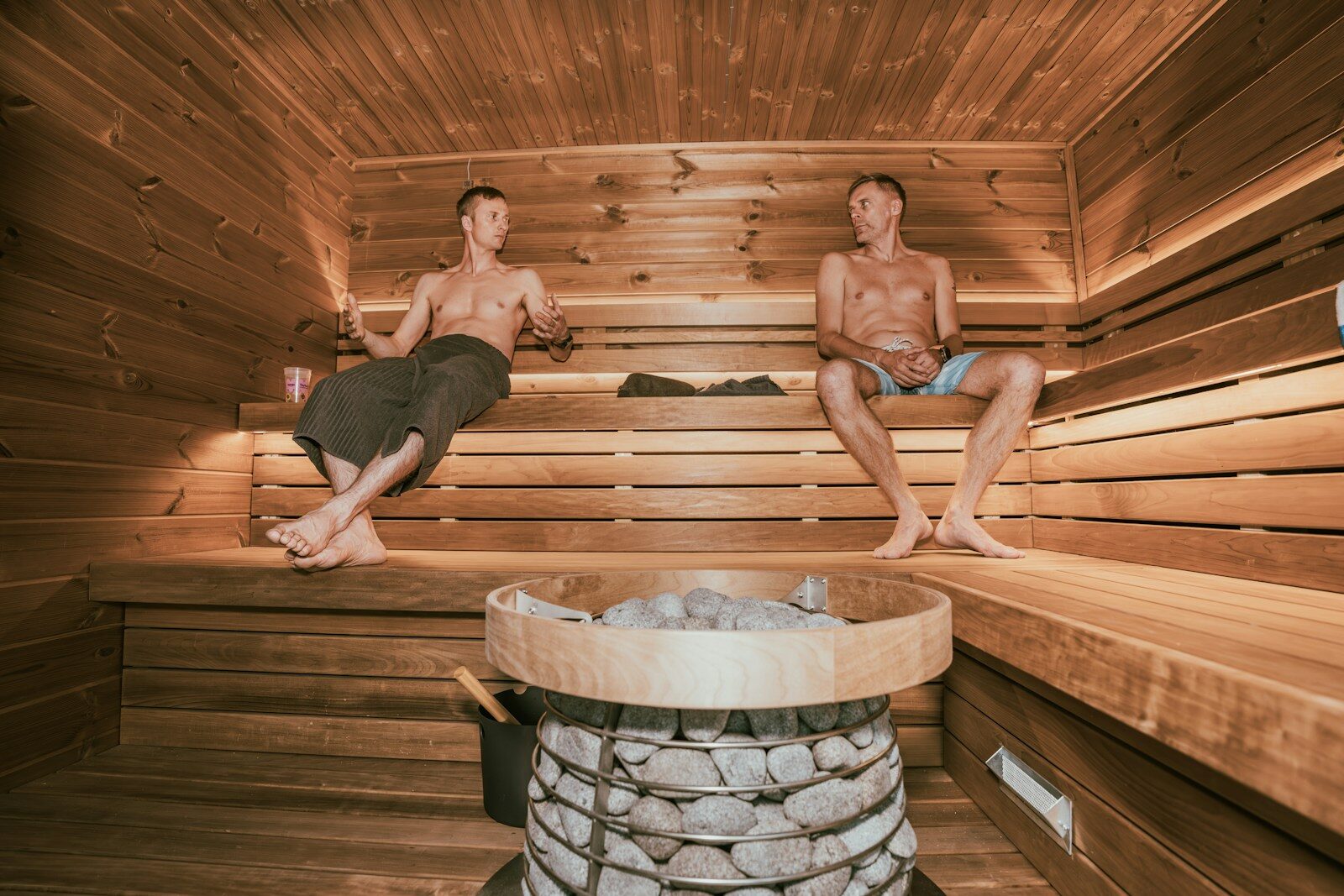
When choosing a sauna heater, homeowners often focus first on power output and whether the unit is electric or wood-burning. Another important consideration is the physical design of the heater. In residential saunas, electric heaters are commonly available in wall-mounted and floor-standing configurations, and each design has its own advantages.
The right choice depends on sauna size, available floor space, stone capacity, interior layout, and the type of sauna experience you want to create. Understanding the differences before construction or renovation can make it easier to choose equipment that works naturally with the room.
What Is a Wall-Mounted Sauna Heater?
A wall-mounted heater is installed directly onto a suitable wall rather than standing on the floor. These models are especially common in compact and medium-sized residential saunas where efficient use of space is important.
Typical advantages include:
- Compact dimensions.
- More usable floor space.
- Practical placement in smaller sauna rooms.
- Clean and simple appearance.
- Convenient integration into residential sauna layouts.
Because the heater does not occupy additional floor area, a wall-mounted design can make it easier to arrange benches and maintain comfortable movement inside a smaller sauna.
When Does a Floor-Standing Heater Make Sense?
Floor-standing sauna heaters are installed directly on the floor and are available in a variety of designs. Some models feature tall open structures that can accommodate a substantial quantity of sauna stones.
They are often considered for larger rooms or sauna designs where the heater itself is intended to become a prominent visual feature.
Depending on the specific model, potential advantages may include:
- Greater stone capacity.
- Flexible placement within the sauna layout.
- A distinctive visual appearance.
- Strong integration with modern open sauna designs.
However, floor-standing equipment also occupies valuable floor space, which should be considered when planning a compact sauna.
Stone Capacity Can Influence the Experience
One of the most noticeable differences between heater designs can be the amount of sauna stones they accommodate.
Sauna stones absorb thermal energy and gradually release it into the room. When water is poured onto properly heated stones, it produces steam and temporarily increases the sensation of heat.
Some floor-standing heaters are designed around a larger exposed stone mass, while compact wall-mounted units may use a smaller stone compartment. This does not mean that one design is automatically superior. They simply create different options for sauna planning and heat delivery.
Available Space Should Guide the Decision
In a small home sauna, every part of the layout matters. Benches, the entrance, heater clearances, and walking space must all fit within a limited area.
A wall-mounted heater can be particularly practical in this situation because it keeps more of the floor available.
In a larger sauna, homeowners may have greater flexibility to use a floor-standing model without compromising seating or movement. The heater can sometimes become part of the room’s central design rather than being positioned primarily to save space.
Safety Clearances Remain Essential
Regardless of heater style, the manufacturer’s required safety distances must be respected.
Important considerations can include clearance from:
- Wooden walls.
- Sauna benches.
- Railings and guards.
- The ceiling.
- Other nearby combustible materials.
A physically compact heater should not be assumed to fit into any available space. The required installation clearances for the specific model must be checked before the room layout is finalized.
Consider Bench Placement at the Same Time
Heater and bench planning should happen together. Installing the benches first and choosing the heater afterward can create unnecessary compromises.
The heater should have adequate space around it while remaining positioned so heat can circulate effectively through the sauna.
At the same time, users need comfortable access to seating without being placed unnecessarily close to the heating equipment.
Controls Can Also Affect Heater Selection
Electric sauna heaters may use different control configurations depending on the model. Some designs incorporate controls into the heater, while others work with a separate control system.
This can affect installation planning, wiring, sensor placement, and how users operate the sauna.
When comparing Harvia sauna heater models, it is useful to consider heater dimensions, recommended sauna volume, stone capacity, control configuration, and installation requirements together rather than comparing only power ratings. More information about available models can be found at https://harviaheater.ca/.
Don’t Choose Based on Appearance Alone
Heater design has become an important part of modern sauna interiors. A tall stone-filled heater can create a striking centerpiece, while a compact wall-mounted model can support a cleaner and more minimal layout.
Appearance matters, but technical compatibility should come first.
The heater still needs to match:
- The sauna’s effective volume.
- Available electrical supply.
- Required safety clearances.
- Room construction.
- Ventilation configuration.
Once these requirements are satisfied, design preferences can help determine the final choice.
Which Heater Design Should You Choose?
A compact wall-mounted heater may be a practical solution for a smaller residential sauna where maximizing usable space is a priority. A floor-standing model may be more appropriate when the room provides additional space or when greater stone capacity and a more prominent heater design are desired.
There is no single configuration that works best for every sauna. The right choice depends on how the heater fits into the complete room design.
Conclusion
Wall-mounted and floor-standing sauna heaters can both provide excellent performance when correctly matched to the sauna. The main differences involve space requirements, stone capacity, placement possibilities, and interior design.
Rather than choosing a heater based only on appearance or power, homeowners should consider room dimensions, bench layout, safety clearances, controls, and the desired sauna experience. Selecting the heater during the planning stage makes it much easier to create a comfortable, practical, and well-balanced home sauna.



-

 Resources5 years ago
Why Companies Must Adopt Digital Documents
-

 Resources4 years ago
A Guide to Pickleball: The Latest, Greatest Sport You Might Not Know, But Should!
-

 Resources1 year ago
50 Best AI Free Tools in 2025 (Tried & Tested)
-

 Resources1 year ago
Get Paid $5000+ a month to write : Discover 30 Spectacular Websites That Reward Your Writing Effort