Lifestyle
How to Plan a Luxury Wedding: The Complete Planning Guide
How to plan a luxury wedding with a clear vision, smart budget, premium vendors, and elevated guest experience from start to finish

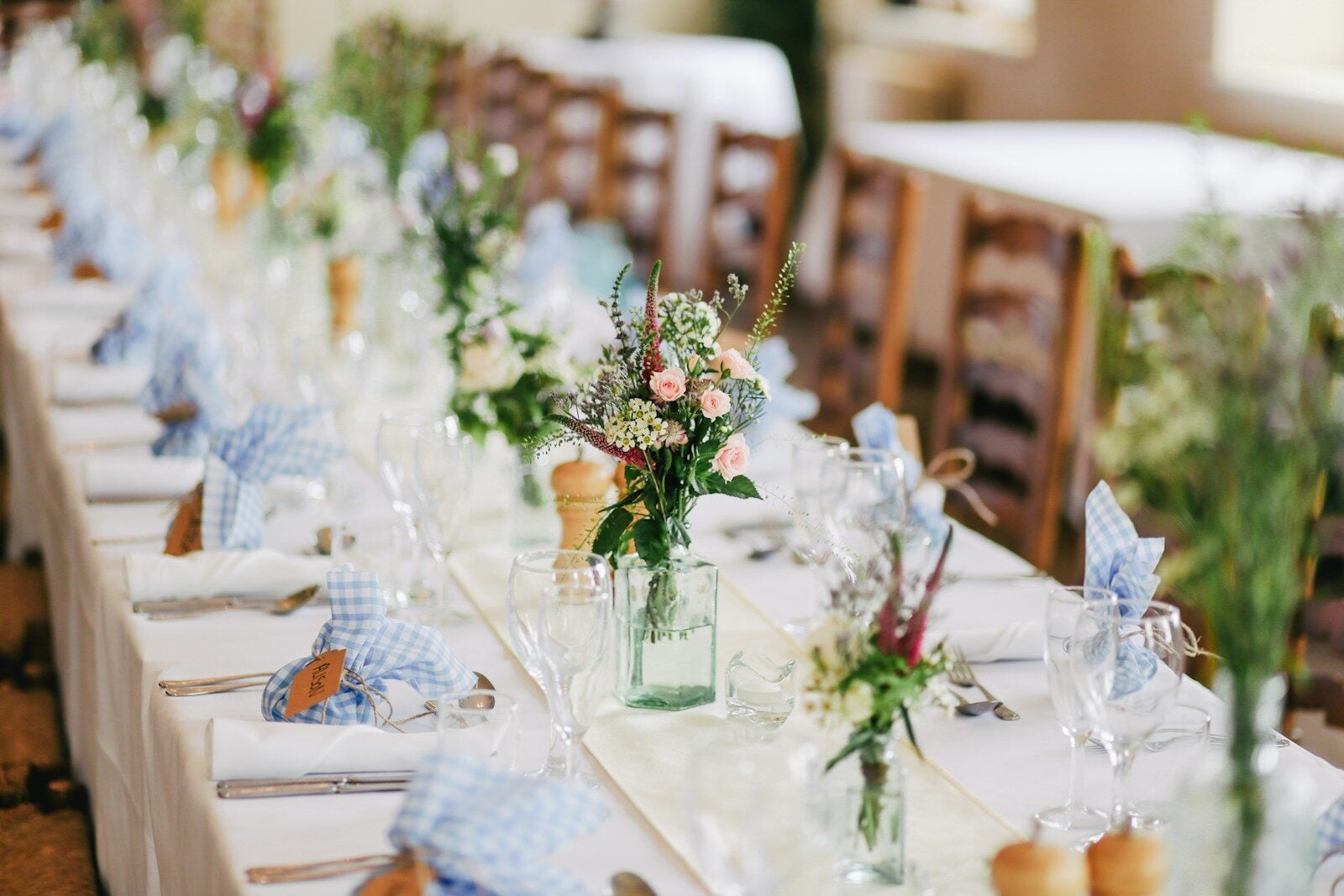
A luxury wedding focuses on the overall guest experience, not only on how much you spend. It feels carefully curated, intentional, and emotionally engaging from arrival to farewell. Every touchpoint looks cohesive and well thought out, from decor to timing to service quality.
Therefore you start by defining the kind of experience you want: black tie ballroom, intimate villa weekend, or destination celebration with layered events. Once that vision is clear, you match budget and vendors to that experience, instead of adding random premium elements that do not connect.
Step 1: Define Your Luxury Wedding Vision
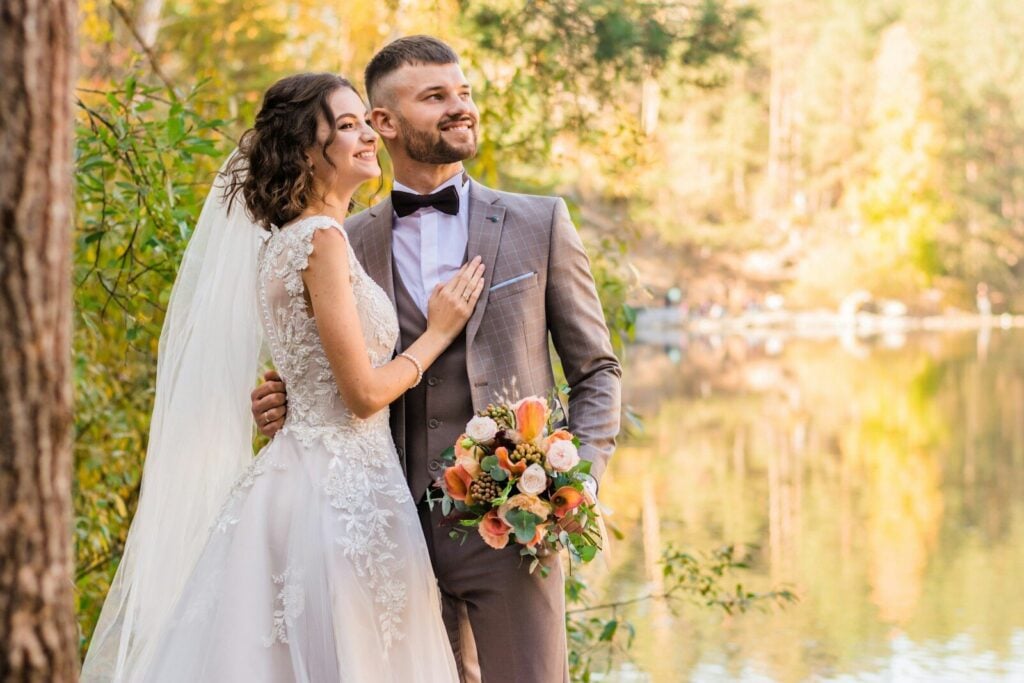
First decide what “luxury” means for your wedding in practical terms and emotional tone. Some couples want a grand classic ballroom event, others prefer a modern city rooftop or private estate with a minimalist aesthetic. Your vision becomes the filter for every later decision.
To make this concrete, describe three things in detail: atmosphere, style, and guest journey. For example, you may want a candlelit ceremony, a champagne heavy cocktail hour, and a late night after party with live jazz and gourmet snacks; this sequence is your baseline blueprint.
Step 2: Set A Smart Luxury Budget
A luxury wedding usually invests more in a few high impact areas instead of trying to upgrade everything equally. Typical major categories are venue, catering, decor, photography, entertainment, and guest hospitality, each with a clear percentage target. A contingency buffer is essential because premium services often add unexpected costs.
Option A: you treat the venue and dining as the primary anchors and allocate most of the budget there. Option B: you prioritize decor and entertainment to create a visually dramatic and immersive experience even if the venue itself is simpler; both can feel luxurious if executed with consistency.
| Option | Focus Area | Pros | Tradeoff |
|---|---|---|---|
| Option A | High end venue and catering | Instant luxury feel through location and food quality | Less budget left for decor and entertainment |
| Option B | Statement decor and entertainment | Highly memorable visuals and energy for guests | Venue may be more modest or less exclusive |
Step 3: Choose A Luxury Wedding Venue
The venue is the backbone of any plan for how to plan a luxury wedding because it sets scale, style, and logistics. Look for exclusivity, strong in house service standards, and visual features that fit your vision, such as gardens, skyline views, or historic architecture. The right venue makes decor easier and usually improves guest experience automatically.
Additionally, you assess capacity, privacy, access for different age groups, and backup options for bad weather. Luxury often comes from seamless flow, so check how guests will move from ceremony to cocktail hour to dinner to dancing without confusion or crowding.
Step 4: Hire A Luxury Wedding Planner
A dedicated planner with experience in high end events is usually the most important single partner. This person protects your time, manages vendors, and prevents expensive mistakes in contracts, timelines, and logistics. A planner who regularly designs luxury wedding experiences will already understand standards of service, decor, and guest hospitality.
Therefore you evaluate planners on portfolio fit, process, and communication style, not just on price. Ask how they handle complex timelines, VIP guest needs, and multi day celebrations; their answers show whether they can execute your level of luxury consistently.
Step 5: Build A Luxury Vendor Team
Luxury weddings depend on vendors who can deliver consistent quality under pressure. Focus on caterer, florist, photographer, videographer, entertainment, lighting, and production because these roles directly affect guest perception. Each should show experience with upscale events and a style that matches your vision.
Furthermore, review real full event case studies instead of just highlight reels. Consistency across an entire day demonstrates professionalism and reliability, which matters more than a few impressive but isolated photos.
Step 6: Curate A Signature Design And Decor Story
Luxury decor is about layered details that work together as a single story. You choose a clear aesthetic for florals, lighting, linens, furniture, and stationery so nothing feels random. For example, ceiling floral installations, coherent candle placements, and tailored tablescapes can create a strong impression even without extremely expensive materials.
As you refine this design, keep one rule in mind: remove elements that do not support the story. Clean, intentional decor feels more luxurious than cluttered setups, even when the individual items are costly; editing is a core design skill.
Step 7: Elevate Dining And Drinks
For many guests, the dining experience defines whether a wedding feels truly upscale. A luxury approach includes a thoughtfully designed menu, quality ingredients, and professional service style that matches the event formality. You may choose multi course plated service with wine pairings or an interactive gourmet buffet with chef stations.
Additionally, drinks deserve similar attention through champagne bars, signature cocktails, and non alcoholic options presented well. Glassware, menu design, and timing of service all contribute; small details like polished cutlery and coordinated service teams reinforce luxury without huge extra cost.
Step 8: Design A Seamless Guest Journey
Luxury weddings remove friction for guests at every step. You plan arrivals, parking or transport, signage, greeting, and seating with clarity so no one feels lost or rushed. Comfortable transition times between ceremony, photos, and reception help the event feel calm and elegant rather than hectic.
Therefore consider concierge style support for travel, accommodation, and special needs. Simple actions like clear communication before the event and dedicated hosts on the day elevate perceived quality more than some purely visual upgrades.
Step 9: Invest In High End Photography And Videography
Since luxury weddings often include intricate details, strong photography and videography are critical investments. Look for professionals with editorial sensibility, clean technical execution, and experience in fast paced events. Their work should capture decor, candid moments, and formal portraits without sacrificing any area.
Furthermore, discuss timeline and lighting with them early. Coordinating ceremony time, sunset portraits, and reception lighting ensures that your luxury design choices actually appear impressive in the final images and film.
Step 10: Choose Luxury Entertainment And Atmosphere
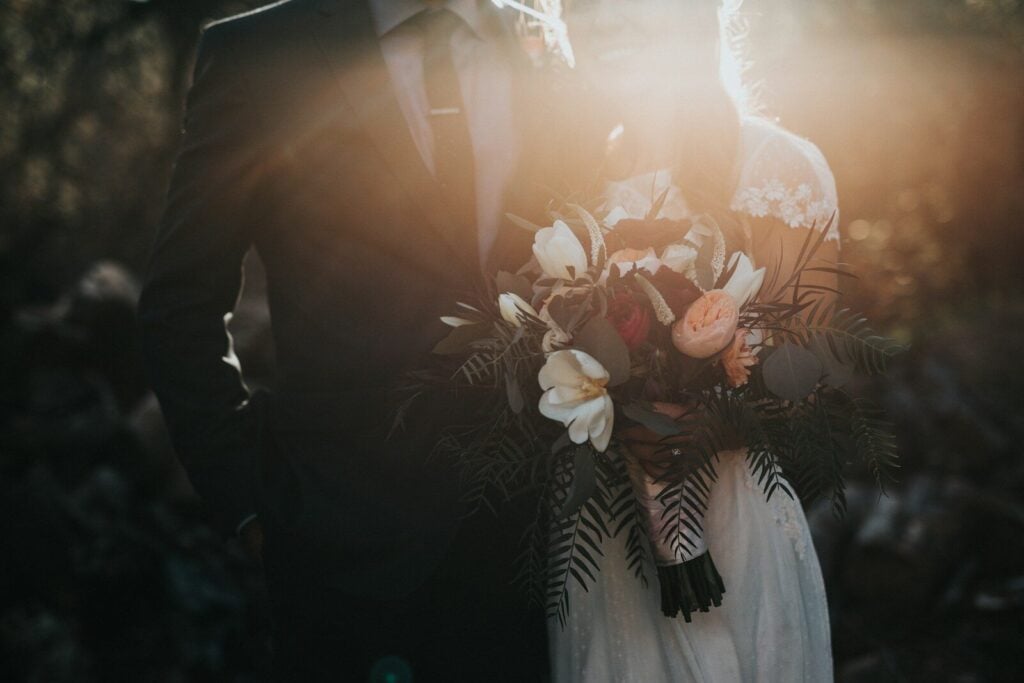
Entertainment shapes energy, which in turn shapes guest memories. For a luxury wedding, consider live bands, string quartets, jazz ensembles, or well curated DJs instead of generic playlists. Layering entertainment elements throughout the day keeps the event dynamic without becoming chaotic.
As a result, you may combine live music for ceremony and cocktail hour with a DJ and special acts for the reception. Lighting design and effects such as subtle projections or fireworks can enhance the mood further, as long as they align with the overall style and do not overwhelm guests.
Step 11: Personalization As The Core Luxury Element
The most impressive luxury weddings feel deeply personal, not just expensive. You weave your story into invitations, decor, music choices, and menu selections so guests understand why each detail exists. Personal touches like welcome gifts with local items or custom scents in the venue create stronger emotional connection.
Additionally, station design can reflect shared interests, such as travel themed bars or dessert tables inspired by places meaningful to you. This personalization is often more memorable than generic luxury markers because it feels specific and intentional.
Step 12: Timeline And Logistics Planning
A well structured timeline is essential when you think about how to plan a luxury wedding effectively. You break the day into clear blocks, such as ceremony, cocktail hour, dinner, and after party, with buffer time around each block. This prevents rushing and lets guests actually enjoy each moment.
Furthermore, include setup and breakdown windows in the plan, especially if decor is complex. Close coordination between planner, venue, and vendors keeps the experience smooth, which is one of the hallmarks of luxury even when guests do not see the behind the scenes work.
Step 13: Luxury Guest Communication And Hospitality
High quality communication before and after the wedding reinforces the luxury impression. Clear invitations, itinerary details, dress code guidance, and travel information reduce stress for guests. Follow up messages or thank you notes extend hospitality beyond the event itself.
Moreover, consider digital touchpoints that still feel premium, such as a clean wedding website or well designed email updates. Consistent tone and visuals across physical and digital communication strengthen the brand of your event in the minds of guests.
Step 14: Planning A Post Wedding Luxury Experience
Your luxury wedding plan can include a post wedding brunch or gathering to close the celebration gracefully. This relaxed event lets you spend more time with close guests and offers another chance to express appreciation. It does not need extreme decor, but good food and comfortable surroundings matter.
As a final layer, a well chosen honeymoon that matches the wedding tone can feel like a natural continuation. Even if budget is limited, focusing on experience and comfort rather than sheer cost keeps the luxury feeling coherent.
Applying “How To Plan A Luxury Wedding” To Different Budgets
The phrase how to plan a luxury wedding can be misleading if you equate luxury only with high spending. In reality, luxury planning is mostly about intentional design, guest comfort, and coherent experience at whatever budget level you have. You can prioritize a few high impact areas, such as lighting and music, and keep other elements simple but clean.
Therefore, start by identifying your non negotiable luxury anchors: venue style, dining quality, or decor statement pieces. Then design the rest of the wedding around supporting those anchors instead of trying to upgrade everything lightly, which often dilutes the effect.


-

 Resources5 years ago
Why Companies Must Adopt Digital Documents
-

 Resources4 years ago
A Guide to Pickleball: The Latest, Greatest Sport You Might Not Know, But Should!
-

 Resources1 year ago
50 Best AI Free Tools in 2025 (Tried & Tested)
-

 Resources1 year ago
Get Paid $5000+ a month to write : Discover 30 Spectacular Websites That Reward Your Writing Effort