Blogs
Are You Spending Too Much On Your Warehouse Equipment?

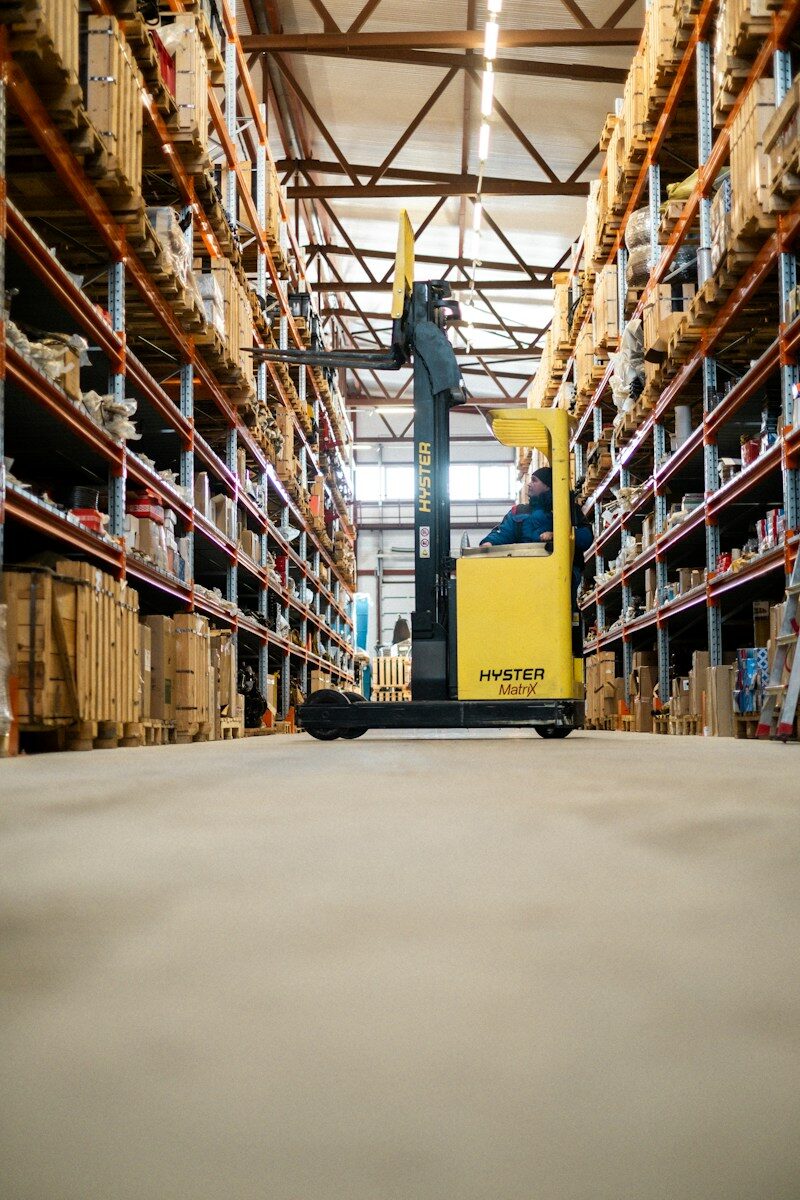
A forklift that runs every day is easy to think of as a necessary expense. Fuel or electricity, service appointments, replacement parts, and occasional repairs can blend into the normal warehouse budget. Over time, though, small increases in those costs may signal that your equipment plan needs another look.
Reducing spending does not always mean buying the least expensive truck. The goal is to match each machine to the work it performs and understand what it costs to keep that machine available. If you are comparing hyster forklifts or reviewing your current fleet, looking beyond the purchase price can reveal where money is being lost.
Start with records you already have: repair invoices, downtime reports, operating hours, and fuel or charging expenses. Those details can show whether you need better maintenance, a different assignment for a truck, or a replacement. Here are practical ways to evaluate ownership costs and decide whether used equipment could help.
Opportunities to Reduce Forklift Ownership Costs
Know What Each Truck Actually Costs
A monthly payment or initial purchase price tells only part of the story. A forklift also creates ongoing expenses through maintenance, tires, energy, inspections, and repairs. When it is out of service, the warehouse may face overtime, delayed shipments, or rental costs. Those consequences belong in the comparison, too.
Review each machine separately over the same time period. Record its hours of use and all related spending, then note how often it was unavailable. If one truck consistently costs more to operate despite doing less work, investigate why. The problem might be age, a recurring mechanical issue, or an assignment that does not suit the equipment.
Avoid judging a machine by a single large repair bill. A costly repair that restores dependable service can be more economical than repeated minor fixes that fail to address the underlying problem. Look for patterns and ask a qualified technician what the next year of maintenance is likely to involve.
Use the Right Truck for the Right Task
An oversized forklift may be unnecessary for light pallet moves, while an undersized or poorly matched truck can force operators to take extra trips or rearrange loads. Both situations can add time and wear without improving output.
Map the work your fleet handles. Identify the weight and dimensions of routine loads, required lift heights, aisle widths, travel distances, and working surfaces. Then compare those demands with the documented capabilities of each truck. Capacity must be verified for the actual load center, mast, and attachments; a number in an equipment listing does not cover every possible lift.
Once you understand those requirements, consider whether changing truck assignments could improve efficiency before purchasing anything. A machine that is a poor fit for one department may be useful elsewhere. Ask operators which routes create delays and which equipment features would make those tasks easier.
Keep Preventive Maintenance Consistent
Skipping scheduled service can appear to save money until a preventable problem interrupts a busy shift. Follow the manufacturer’s maintenance guidance and keep inspection and service records organized. Address developing issues promptly, especially when operators report changes in lifting, steering, braking, or handling.
Good records also make replacement decisions clearer. You can see whether repair frequency is rising, identify repeated failures, and estimate what it will take to keep the truck working. If equipment has a defect that affects safe operation, remove it from service until qualified personnel correct the issue.
Check Whether Fleet Size Fits the Schedule
A warehouse may overspend because it owns equipment that sits idle for much of the week. Another operation may lose money because too few trucks create queues at receiving and shipping. The right fleet size depends on when work occurs, not just how many pallets move in an average day.
Look at peak periods and shift overlap. Track how often operators wait for a truck and how frequently machines are unused. Occasional demand for a specialized lift might be better addressed through a rental, while predictable daily congestion may justify adding another appropriately matched unit. Compare the actual costs of each option rather than relying on a general rule.
Used Equipment Options That Support Long Term Savings
When a replacement is justified, used equipment can provide another path to controlling upfront spending. The best candidate is a truck that fits the job, has an acceptable condition, and comes with a price that still makes sense after foreseeable service needs. A low asking price alone does not guarantee long-term savings.
Before you buy used forklift equipment, write down the specifications your warehouse requires. Include the heaviest regular loads, their dimensions, lift heights, travel surfaces, building clearances, and preferred power source. This checklist helps you compare actual units instead of getting distracted by a deal that does not fit the work.
Ask for operating hours, maintenance records, and information about prior repairs. Arrange a qualified inspection of major systems, including the mast, forks, hydraulics, tires, and controls. For an electric model, battery condition and charging arrangements can materially affect your budget. Clarify any seller condition label, such as refurbished, wholesale, or as-is, and get the included work in writing.
Compare Total Costs Before Choosing a Capacity
It is tempting to move into a higher capacity class for flexibility, but a larger machine may cost more to purchase or operate and may require more maneuvering space. Determine what your routine loads actually require, including their load centers and the height at which they must be placed.
For a warehouse with consistent, appropriately sized pallet loads, a forklift 5000 lbs listing may be worth comparing with other capacities. The right answer still depends on the specifications and condition of the individual truck. If your operation has confirmed heavier work ahead, evaluate that future requirement with actual load information instead of guessing.
Consider Support After the Purchase
Even a suitable used forklift needs maintenance. Ask whether qualified service and replacement parts are readily available for the specific make and model in your area. Factor transportation, operator training, energy or fuel needs, and any facility changes into the ownership estimate.
Build a side-by-side comparison for the finalists using the same time horizon. Include purchase price, expected routine service, known repairs, and estimated operating costs. Note any uncertainty instead of treating an unknown service history as a zero-cost item. This approach makes the least expensive choice over time easier to distinguish from the cheapest listing today.
Spending less on warehouse equipment starts with understanding where costs come from. Measure each truck’s use and reliability, match equipment to the work, and maintain machines consistently. When a replacement makes sense, inspect used options carefully and compare the full cost of keeping them productive. A forklift that reliably fits your operation can protect both your budget and your daily schedule.



-

 Resources5 years ago
Why Companies Must Adopt Digital Documents
-

 Resources4 years ago
A Guide to Pickleball: The Latest, Greatest Sport You Might Not Know, But Should!
-

 Resources1 year ago
50 Best AI Free Tools in 2025 (Tried & Tested)
-

 Resources1 year ago
Get Paid $5000+ a month to write : Discover 30 Spectacular Websites That Reward Your Writing Effort