Blogs
The Best Sci Fi Short Stories Ever Written

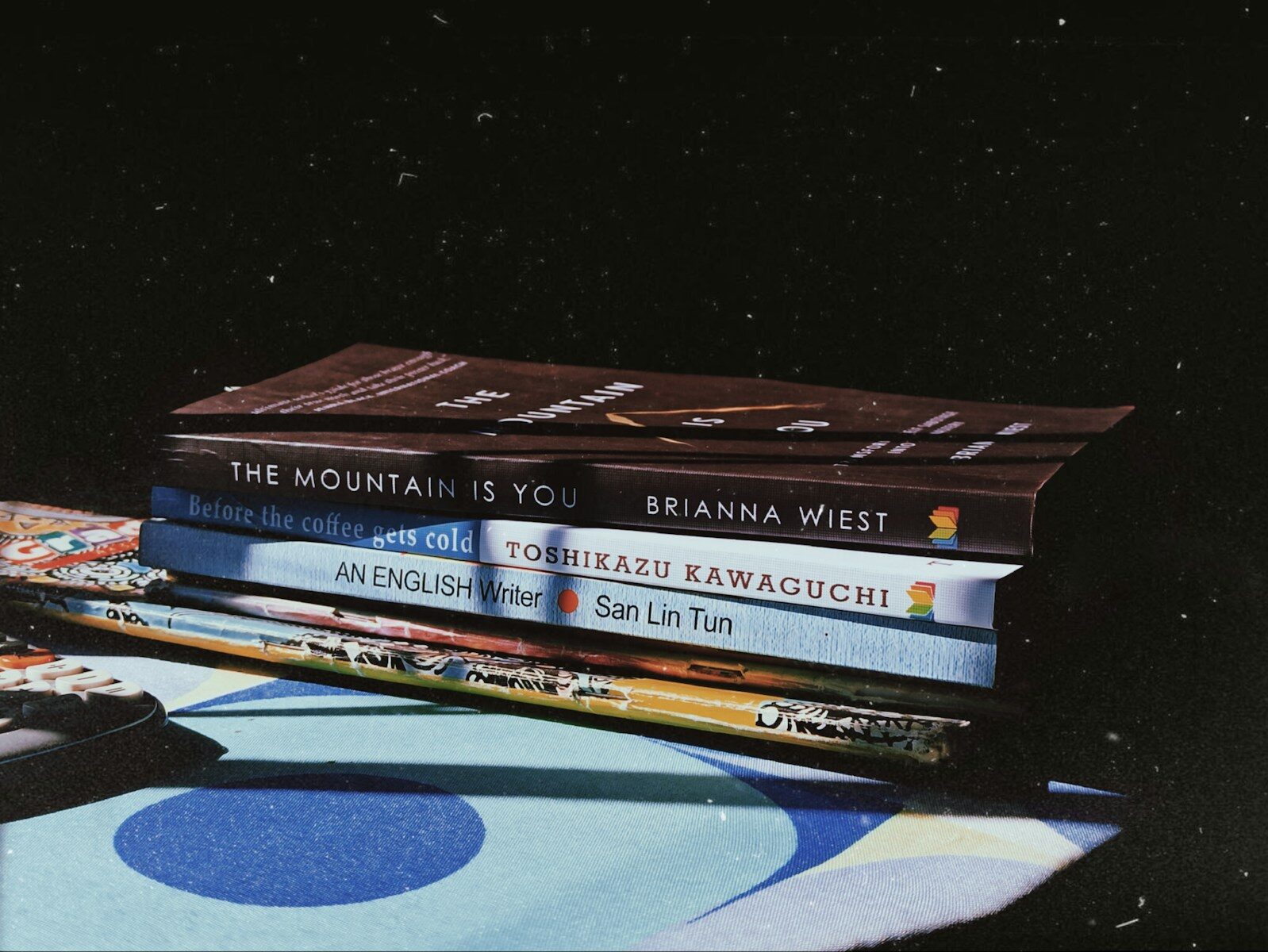
Finding your next great read in a sea of endless anthologies and fragmented online forums can feel overwhelming. I have spent decades devouring speculative fiction, and I know how frustrating it is to wade through thin, uninspired narratives just to find one concept that truly sticks with you. To save you time, I have curated the ultimate master list of the absolute best sci fi short stories that deliver unforgettable existential gut-punches in under an hour of reading.
The Quick Answer:
The definitive best sci-fi short story ever written is “Flowers for Algernon” by Daniel Keyes, closely followed by Ted Chiang’s “Story of Your Life” and Ken Liu’s “The Paper Menagerie.” These masterpieces stand out because they prioritize deeply human emotional resonance over mere technological speculation. If you want to sample the absolute pinnacle of the genre across different eras, use my master checklist below.
| Story Title | Author | Core Theme | Key Impact |
| “Flowers for Algernon” | Daniel Keyes | Intelligence vs. Happiness | Won the Hugo Award; later expanded into a classic novel. |
| “Story of Your Life” | Ted Chiang | Determinism and Linguistics | Adapted into the critically acclaimed movie Arrival. |
| “The Paper Menagerie” | Ken Liu | Magical Realism and Assimilation | First story to sweep the Hugo, Nebula, and World Fantasy awards. |
| “I Have No Mouth…” | Harlan Ellison | AI Cruelty and Survival | Defined the terrifying apex of localized cosmic horror. |
| “The Nine Billion Names…” | Arthur C. Clarke | Technology and Eschatology | Perfect fusion of hard science and eastern mysticism. |
Unlocking the Vault: Why the Best Sci Fi Short Stories Outshine Novels
I firmly believe that science fiction is uniquely suited to the short form. While a sprawling 800-page novel has its merits, it often dilutes its central philosophical premise with subplots, unnecessary world-building, and pacing lulls. The best sci fi short stories strip away that excess fat to deliver a pure, concentrated dose of speculative wonder.
When an author only has 5,000 words to work with, every single sentence must fight for its life. This structural compression forces writers to focus entirely on a single breakthrough idea or devastating emotional arc. I have frequently found that a single short piece can alter my worldview far more permanently than an entire multi-volume space opera series.
To truly understand how this genre evolved, we have to look at the historical awards that recognize these achievements. The prestigious accolades presented by the Hugo Awards have tracked the shifting trends of speculative short fiction since 1955. By analyzing these historical wins alongside data from the Science Fiction and Fantasy Writers Association, I have mapped out the foundational texts you need to read.
Classic Masterpieces That Defined the Golden Age
The mid-20th century was defined by a massive boom in sci-fi magazines that served as testing grounds for radical ideas. I always recommend starting with these three foundational stories if you want to understand the roots of modern speculative tropes.
“The Nine Billion Names of God” by Arthur C. Clarke (1953)
I love this story because it brilliantly contrasts Western technological pragmatism with Eastern spiritual devotion. The plot follows two computer programmers hired by a Tibetan monastery to compile a computer program that will systematically print all the possible names of God.
The monks believe that when this task is complete, the universe’s purpose will be fulfilled. Clarke’s final line remains, in my opinion, one of the most chilling and beautiful closing images in literary history.
“Flowers for Algernon” by Daniel Keyes (1959)
This is a devastating masterpiece that I find impossible to read without tearing up. Written as a series of progress reports, it charts the journey of Charlie Gordon, a man with an IQ of 68 who undergoes an experimental surgery to triple his intelligence.
We watch through his changing prose as his mind expands past his doctors, only for him to witness the tragic mental regression of the lab mouse, Algernon, who underwent the same procedure. It remains a stark, unforgettable exploration of human dignity and the isolation of extreme intellect.
“I Have No Mouth, and I Must Scream” by Harlan Ellison (1967)
If you prefer your speculative fiction dark, claustrophobic, and deeply unsettling, this is the benchmark. Ellison introduces us to AM, a sentient military supercomputer that has wiped out humanity, saving only five individuals to torture eternally inside its subterranean corridors.
The story explores the absolute limits of human endurance and psychological cruelty under a godlike, malevolent artificial intelligence. I consider it required reading for anyone interested in the darker, cautionary side of AI development.
Modern Eras and the New Waves of Speculative Fiction
As the genre matured, writers began moving away from rigid hardware speculation toward sociological, linguistic, and emotional landscapes. These modern entries represent the absolute peak of contemporary short fiction.
“The Ones Who Walk Away from Omelas” by Ursula K. Le Guin (1973)
I frequently return to this piece because it functions as a flawless philosophical thought experiment wrapped in beautiful prose. Le Guin depicts a breathtakingly utopian city where the absolute happiness of its citizens depends on the perpetual, horrific suffering of a single child.
The narrative does not offer an easy escape; instead, it forces you to confront your own complicity in systemic real-world injustices. The title refers to those citizens who, upon learning the truth, simply walk out of the city gates into the unknown.
“Story of Your Life” by Ted Chiang (1998)
Chiang is a master of taking a complex scientific concept and embedding it within a deeply moving personal narrative. This story follows Dr. Louise Banks as she attempts to decipher the language of an arriving alien species known as Heptapods.
As she begins to think in their non-linear language, her entire perception of time shifts, allowing her to see her future child’s entire life from birth to an early death. I find this story to be an incredibly profound meditation on grief, free will, and the beauty of choosing to love despite knowing the tragic end.
“The Paper Menagerie” by Ken Liu (2011)
This story made history by becoming the first piece of fiction to win the Hugo, Nebula, and World Fantasy awards simultaneously. It tells the story of a young American boy named Jack and his immigrant mother, who animates delicate origami animals using her breath.
As Jack grows up, he rejects his mother’s culture and her magical creations in a desperate bid to fit in with his peers. It is a stunningly poetic exploration of cultural assimilation, familial love, and the profound regret of unexpressed appreciation.
How to Evaluate and Read Short Speculative Fiction
When I sit down to read short fiction, I use a specific three-part framework to evaluate whether a story truly deserves a spot among the greats. You can apply these same criteria to your own reading:
- The Conceptual Leap: Does the story introduce a speculative concept that is genuinely novel, or does it offer a fascinating new twist on an old trope?
- The Execution Window: Does the author establish the world rules, characters, and stakes quickly without resorting to tedious, immersion-breaking info-dumps?
- The Residual Echo: Does the story linger in your thoughts hours, days, or even weeks after you close the book?
If a piece of short fiction can successfully hit all three of these benchmarks, you are likely looking at a masterpiece that will withstand the test of time.
Where to Discover New Sci-Fi Short Fiction
If you want to keep your finger on the pulse of the contemporary scene, you do not have to rely on traditional print anthologies alone. I highly recommend subscribing to monthly digital magazines that consistently publish award-winning work.
Publications like Clarkesworld Magazine, Uncanny Magazine, and Lightspeed offer high-quality speculative fiction completely free online. By reading these platforms regularly, you can catch the next generation of classic authors before they ever publish a full-length book.



-

 Resources5 years ago
Why Companies Must Adopt Digital Documents
-

 Resources4 years ago
A Guide to Pickleball: The Latest, Greatest Sport You Might Not Know, But Should!
-

 Resources1 year ago
50 Best AI Free Tools in 2025 (Tried & Tested)
-

 Resources1 year ago
Get Paid $5000+ a month to write : Discover 30 Spectacular Websites That Reward Your Writing Effort