News
Why Regular People Are Starting to Trade Like Wall Street

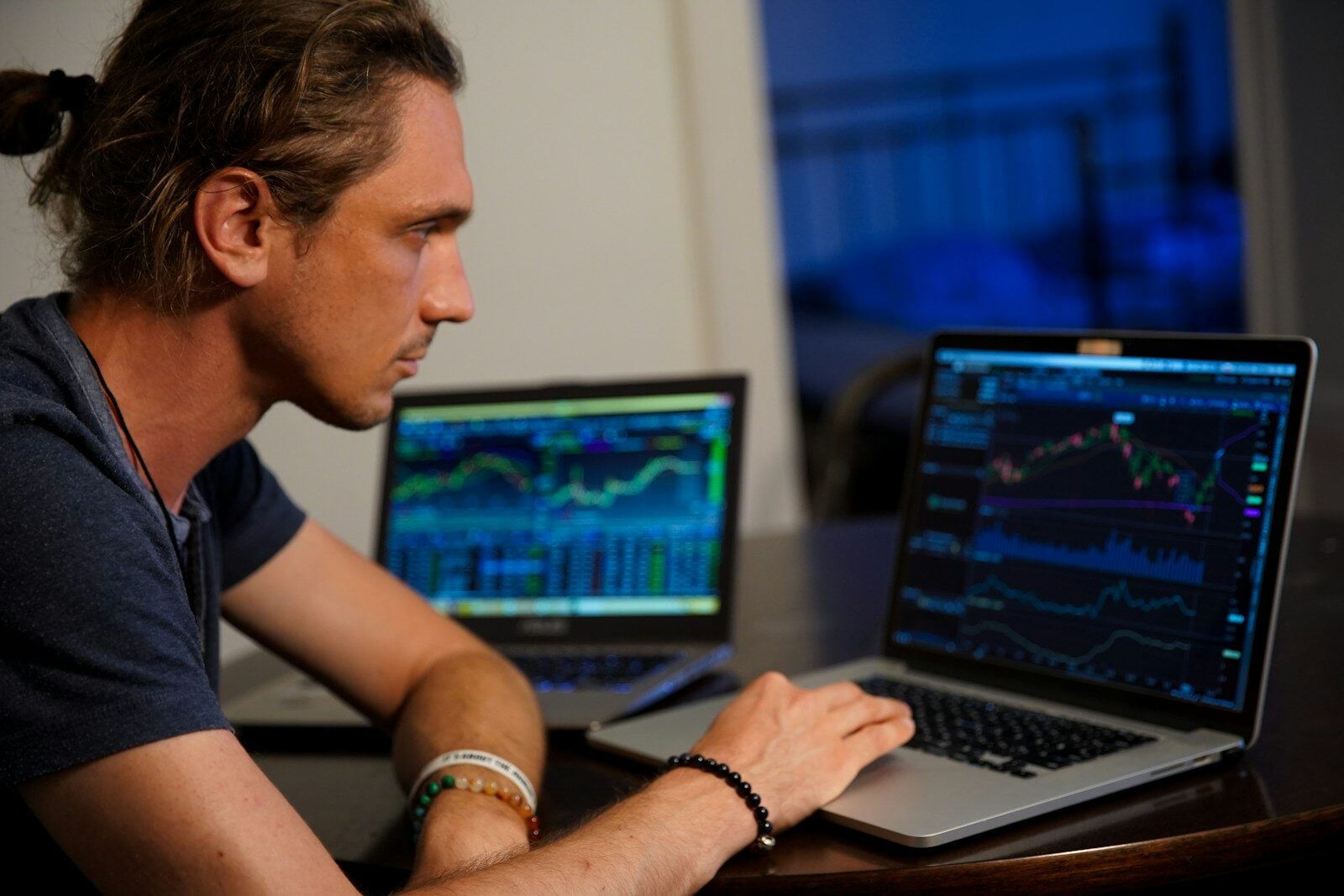
A look at how traditional financial markets stopped being just for suits and started showing up everywhere else
Not long ago, trading stocks or commodities was something you did through a broker, on the phone, with a minimum account size that kept most people out. It was a world that felt distant, the kind of thing you read about in the newspaper but never actually touched yourself. That has changed, and the change has happened faster than almost anyone expected.
Over the past five years or so, traditional financial markets, what people in crypto circles often call TradFi, short for traditional finance, have gone from being the exclusive domain of institutions and wealthy investors to something that feels almost accessible. Retail participation in stock markets hit record highs during 2020 and never fully came back down. Apps made it easy. Zero-commission trading removed one of the oldest barriers. And a generation that grew up watching money move in real time on their phones decided they wanted a piece of it.
What Changed and Why It Matters
The shift is not just about technology, though technology played a big role. It is also about information. Once opaque markets where you needed a Bloomberg terminal and a finance degree even to understand what was happening, became legible to ordinary people. YouTube channels explaining options strategies started getting millions of views. Reddit threads dissected earnings reports. The vocabulary of finance slowly became part of everyday conversation.
What this created was a new kind of trader. Not the old-school institutional player moving billions, and not someone gambling on penny stocks either. This new retail trader is actually paying attention to macro conditions, watching what central banks are doing, tracking commodity prices, and thinking seriously about how indices move. They are, in short, trading like professionals used to just from their phone, often at odd hours, sometimes in countries where local brokers never gave them a real option.
The Crypto-TradFi Overlap Nobody Talks About Enough
Here is something interesting: a lot of the people who got into crypto over the last few years did not stay in crypto. They started learning about markets in general. They got comfortable with charts, with leverage, with reading economic data. And then they started wondering why they could not do the same thing with gold futures or the S&P 500 from the same platform they were already using.
That is a real gap in the market, and it has existed for a long time. Crypto exchanges built fast, intuitive platforms for trading digital assets. Traditional brokers, meanwhile, often still feel like they were designed in 2003. For someone used to the speed and clarity of a modern crypto interface, switching to a legacy brokerage to trade commodities or equity indices is a jarring experience.
This is part of why platforms are starting to bridge that gap. Bitunix, for instance, has launched a TradFi product that lets its existing user base trade stocks, commodities, and indices futures, the same kinds of assets that have always lived behind the walls of traditional brokerages, now available in a familiar crypto-native environment. The idea is straightforward: if you are already comfortable trading on the platform, you should not have to open three other accounts somewhere else just to get exposure to oil futures or major stock indices.
Why This Moment Makes Sense
Markets right now are not simple. Interest rates, inflation, geopolitics, tech earnings, everything is connected in ways that make it hard to just focus on one asset class and ignore the rest. A trader who only watches crypto but ignores what the Fed is doing, or what commodity prices are signaling about global demand, is working with half the picture.
The traders who are doing well right now tend to be the ones who can move across asset classes, who can look at what gold is doing, check how equity futures are positioned, and then make a more informed call on crypto. Having all of that accessible in one place is not just convenient. It is actually a better way to trade.
TradFi being made available through platforms like Bitunix also matters for a specific group of users that does not get talked about enough: people in markets where traditional brokerages either do not operate or are prohibitively expensive to use. If you live in Southeast Asia, Latin America, or parts of Africa, your options for trading U.S. indices or commodity futures through a conventional broker are limited. A crypto-native platform that opens up those same instruments is genuinely expanding access in a meaningful way.
What This Does Not Mean
None of this means traditional markets have suddenly become risk-free or easy. Futures trading carries real leverage and real downside, regardless of what interface you use to access it. The democratization of access is a good thing, but it has to come with the understanding that these are serious instruments. A stock index future can move against you just as fast as any crypto position sometimes faster, and with less warning.
The broader TradFi trend is also not a sign that crypto is losing relevance. If anything, the lines between asset classes are blurring in a way that makes the old categories less useful. Bitcoin trades like a risk asset and sometimes like a safe haven. Gold reacts to the same macro forces that move tech stocks. Separating these worlds into neat boxes was always a bit artificial. The people who built those boxes were often doing so for business reasons, not because it reflected how markets actually work.
Where Things Are Heading
The platforms that are going to matter over the next few years are the ones that treat their users as complete traders rather than specialists. Not crypto traders. Not stock traders. Just traders, people who want to respond to what is happening in the world without being limited by which type of asset the platform was originally built for.
That is the direction things are moving. TradFi becoming more accessible through platforms that already serve active traders is not a novelty. It is a logical next step in how retail trading has evolved. And for the traders who pay attention, it opens up a more complete picture of the market than any one asset class could ever provide on its own.
Steven Gu – Chief Strategy Officer at Bitunix Exchange


-

 Resources5 years ago
Why Companies Must Adopt Digital Documents
-

 Resources4 years ago
A Guide to Pickleball: The Latest, Greatest Sport You Might Not Know, But Should!
-

 Resources1 year ago
50 Best AI Free Tools in 2025 (Tried & Tested)
-

 Resources1 year ago
Get Paid $5000+ a month to write : Discover 30 Spectacular Websites That Reward Your Writing Effort