Blogs
Dental Emergency in Serangoon? What to Do Before You Reach the Clinic

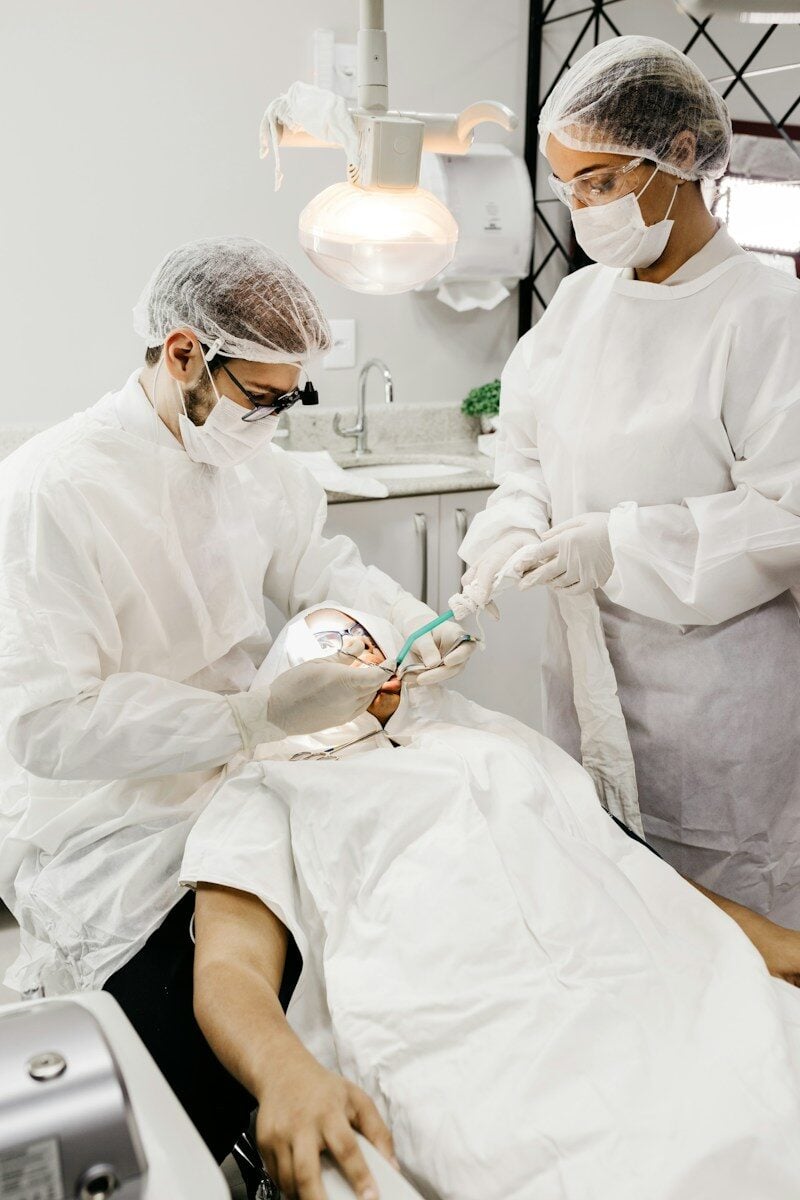
Dental emergencies rarely arrive at a convenient time. A tooth cracks on a hard bite at dinner, a child falls off a bicycle on a Saturday afternoon, or a throbbing ache wakes you at 2 a.m. In those first panicked minutes, what you do can decide whether a tooth survives and how much treatment follows.
A quick, calm response protects your mouth until you can see a Serangoon dentist, and it often reduces pain, bleeding, and long-term damage. Knowing which situations need immediate action and which can wait until morning saves time and stress. This guide walks through the most common emergencies, the first-aid steps for each, and how to prepare so you’re never caught off guard.
What Counts as a Dental Emergency?
Not every dental problem is urgent, but some need attention within hours. True emergencies usually involve severe pain, uncontrolled bleeding, a lost or loosened adult tooth, facial swelling, or trauma to the mouth and jaw. When in doubt, phone a clinic, describe your symptoms, and ask whether you should come in right away.
Go to Emergency Care Immediately
Some situations go beyond dental treatment. Seek hospital emergency care, or call 995 if the situation is life-threatening, when you have difficulty breathing or swallowing, swelling spreading across your face or neck, a suspected broken jaw, heavy bleeding that won’t stop after about ten minutes of firm pressure, or any head injury with confusion, vomiting, or loss of consciousness.
First Aid for Common Dental Emergencies
A Knocked-Out Adult Tooth
Time matters most here. Pick the tooth up by the crown, which is the white chewing surface, and avoid touching the root. If it’s dirty, rinse it gently with milk or saline for a few seconds, without scrubbing. If possible, place it back into the socket and bite gently on a clean cloth to hold it there. If that isn’t possible, keep the tooth moist in a small container of milk, and reach a dentist within the hour. Don’t wrap it in tissue or let it dry out. Baby teeth should not be put back in, as this can damage the developing adult tooth underneath.
A Cracked or Broken Tooth
Rinse your mouth with warm water and apply a cold compress to your cheek to limit swelling. Save any fragments in milk or water and bring them along. Cover sharp edges with a piece of sugar-free gum or dental wax to protect your tongue and cheek. Even small cracks can reach the nerve, so book a visit promptly rather than waiting for the pain to arrive.
Severe Toothache
Rinse with warm salt water and gently floss around the tooth to remove any trapped food. A cold compress on the cheek can ease swelling. Over-the-counter pain relief can help if it’s safe for you, and you should follow the packaging instructions. Never place aspirin directly on the gum, as it can burn the tissue. Persistent, throbbing pain often signals infection or a deep cavity, so see a dentist the same day if you can.
A Lost Filling or Crown
Keep the crown or filling if you have it and bring it to your appointment. Dental cement from a pharmacy can temporarily hold a crown in place, but avoid superglue. Chew on the other side and keep the area clean until you’re seen.
Bleeding From the Lip, Tongue, or Cheek
Rinse gently, then press firmly with a clean gauze or cloth for around ten minutes. A cold compress can reduce swelling. If bleeding continues despite pressure, or the cut looks deep, seek urgent care.
Broken Braces or Poking Wires
Use orthodontic wax to cover the sharp part. If a wire pokes into your cheek and you can’t reach your orthodontist, you can gently push it back with a cotton bud or pencil eraser. Avoid cutting wires yourself.
Which Situations Need What Level of Care
A quick comparison helps you decide how quickly to act:
- Needs emergency care now: Knocked-out adult tooth, heavy bleeding, facial swelling affecting breathing or swallowing, suspected jaw fracture.
- See a dentist the same day: Severe, persistent toothache, abscess or gum swelling, cracked tooth with sharp pain, bleeding that has settled but has a deep cut.
- Can usually wait a day or two: Lost filling without pain, minor chip, mild sensitivity, or a loose bracket.
Mistakes to Avoid While You Wait
Common Missteps
Don’t scrub a knocked-out tooth, don’t apply heat to a swollen face, and don’t ignore a swelling because the pain has eased. Heat can encourage infection to spread, and an abscess that stops hurting may mean the nerve has died, not that the problem has gone away. Avoid chewing on the injured side and skip very hot, cold, or sugary foods.
Don’t Wait for the Pain to Return
A tooth that was knocked loose or chipped but doesn’t hurt still needs examination. Damage to the root or pulp can appear weeks later if it’s left untreated.
How to Prepare Before an Emergency Happens
Keep a Simple Kit
Store a small dental first-aid kit at home with sterile gauze, a small container with a lid, dental wax, a cold pack, and your dentist’s phone number. Keep a copy of the clinic’s contact details on your phone and in your wallet, and write down opening hours and after-hours arrangements.
Protect Your Teeth in Daily Life
Wear a properly fitted mouthguard for contact sports, avoid chewing ice or opening packaging with your teeth, and attend regular checkups so small problems are caught early. Many emergencies grow out of untreated decay or cracked fillings, so prevention remains the best insurance.
Questions to Ask Your Clinic in Advance
Ask whether the clinic offers same-day emergency slots, what hours it keeps, and who to contact outside opening hours.
Calling Ahead Makes a Difference
Phoning before you travel lets the team prepare, advise you on first aid, and reserve a slot if one is available. Clinics such as Nuffield Dental, which provides treatments including root canal therapy and wisdom tooth surgery, are examples of practices worth calling to ask about urgent appointments and what to do while you’re on the way. Whichever clinic you contact, describe your symptoms clearly and ask what to do before you arrive.
Your Emergency Game Plan
A dental emergency feels chaotic, but a few clear steps make it manageable. Stay calm, protect the tooth or injury using the first-aid basics above, decide whether the situation needs hospital care or a dentist, and call ahead so help is ready when you arrive. Save your dentist’s number now, assemble a small first-aid kit, and keep up with regular checkups. Preparing today means you’ll know exactly what to do when a Serangoon dentist is the person you need most.



-

 Resources5 years ago
Why Companies Must Adopt Digital Documents
-

 Resources4 years ago
A Guide to Pickleball: The Latest, Greatest Sport You Might Not Know, But Should!
-

 Resources1 year ago
50 Best AI Free Tools in 2025 (Tried & Tested)
-

 Resources1 year ago
Get Paid $5000+ a month to write : Discover 30 Spectacular Websites That Reward Your Writing Effort