General
Financing for Harley Davidson: Best Options Explained
Financing for Harley Davidson explained clearly with loan types EMI logic and bank versus OEM pros and cons for better decisions.

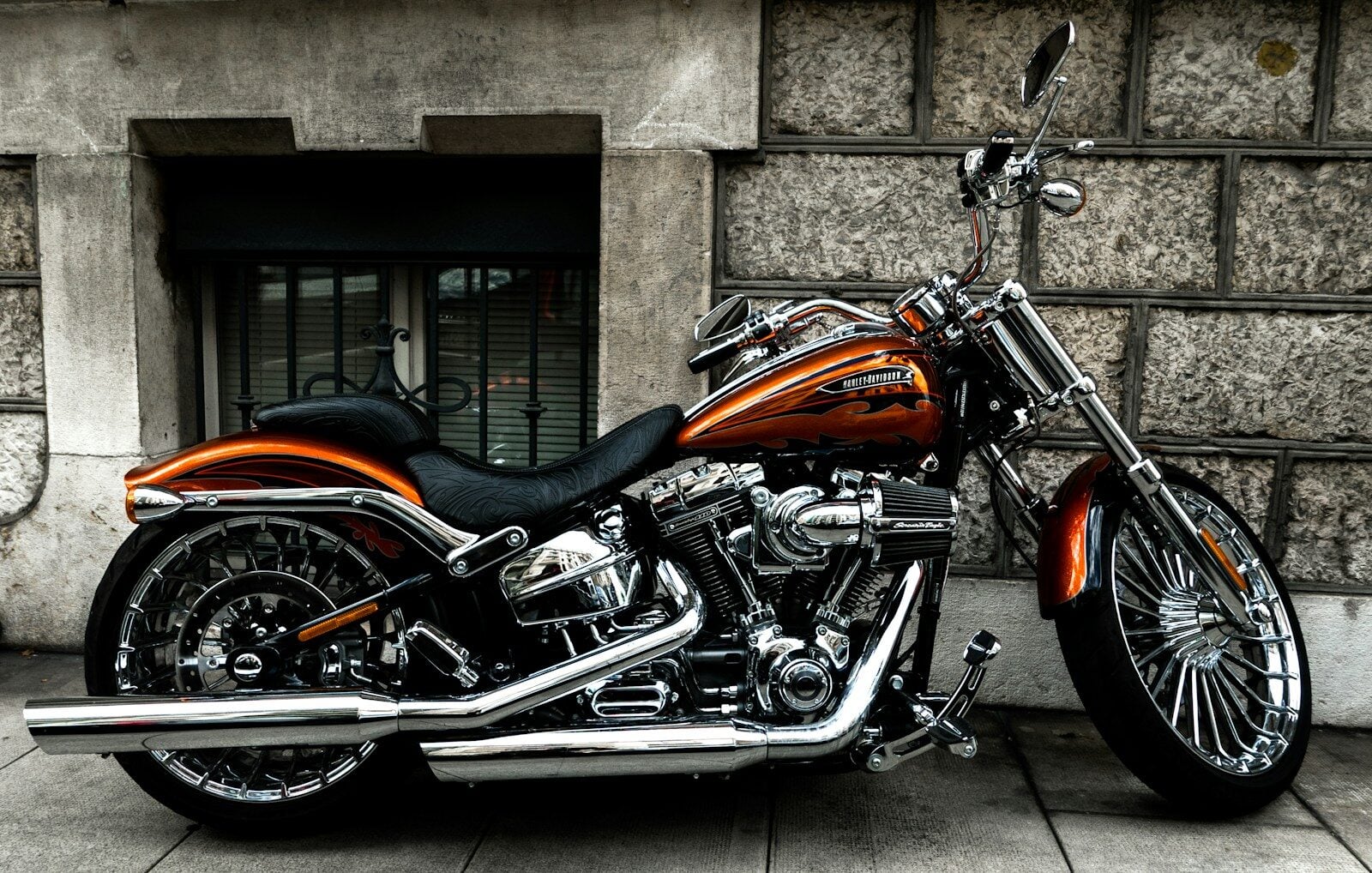
Financing for Harley Davidson works best when you compare OEM programs, local bank loans, and third party offers side by side, then match term length and ownership flexibility to how long you realistically plan to keep the bike.
When you look at financing for Harley Davidson you are really choosing between three buckets: Harley Davidson Financial Services, traditional bank or credit union loans, and online or dealer partnered lenders. Harley Davidson Financial Services offers branded products that tie directly into the showroom experience, while banks and online lenders give more generic two wheeler or personal auto loans.
Harley Davidson markets dedicated motorcycle finance for new and used bikes, plus structured programs like Flex Financing and rider focused offers. In contrast, external lenders usually care only about ticket size, tenure, and your credit profile, so they ignore Harley specific perks but may price aggressively.
Harley Davidson Financial Services options
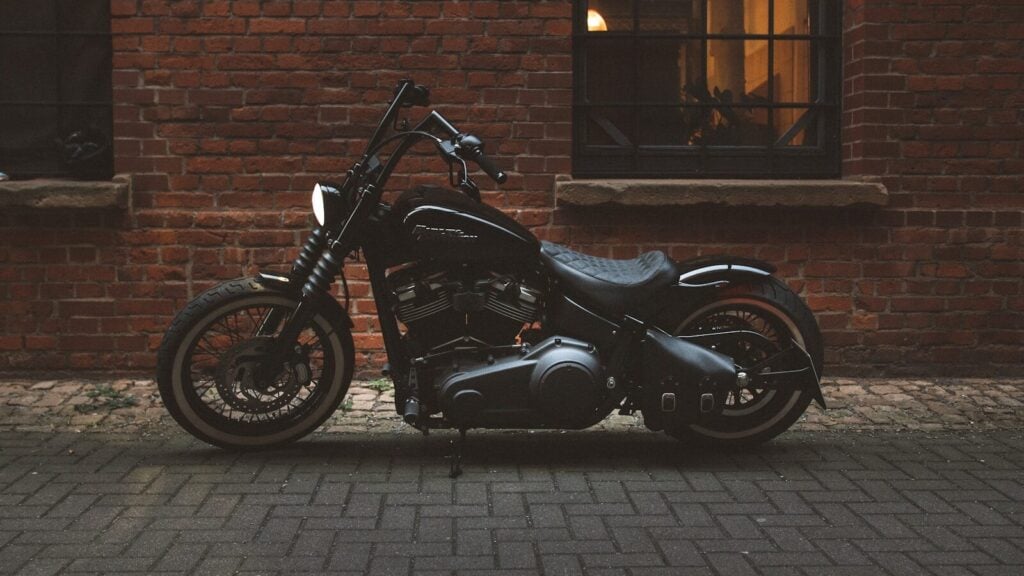
The core OEM option is Harley Davidson Financial Services
HDFS also pushes Flex Financing and similar programs that mimic a lease while still being a loan on paper. These offers advertise lower monthly payments with a large optional final repayment, plus end of term choices: pay the balloon to own the motorcycle, trade in and settle, refinance, or simply return the bike to an authorized dealer if conditions are met.
Standard loans versus Flex style programs
For financing for Harley Davidson
Flex style programs set a lower monthly EMI by reserving a large chunk of principal as a final payment. At the end of the term you choose between paying that final amount, trading the bike in, refinancing, or returning it subject to mileage and condition rules. This aligns with riders who like to change models frequently and want lower cash outflow during the early years.
| Option | Structure | Best for | Key trade off |
|---|---|---|---|
| Option A: Standard HDFS loan | Full price financed as equal EMIs | Riders keeping bike long term | Higher EMI, simpler total ownership |
| Option B: Flex style financing | Lower EMI with large final payment and end of term choices | Riders upgrading every few years | Uncertain final outcome, more decisions later |
Dealer level finance programs
Many Harley Davidson dealers offer their own tailored financing options
Dealer staff usually position these bundled EMI offers aggressively to move inventory. However, you still need to compare the APR and total cost against bank or credit union loans, since dealer incentives do not always translate to the lowest effective price over the full tenure.
Bank and credit union loans
The second route for financing for Harley Davidson
Banks and credit unions follow a more generic underwriting approach, so they may fund up to ninety percent of the ex showroom price or even more in some markets. You then cover registration, insurance, and down payment from savings. This path rarely includes Harley specific perks but can still produce a lower total interest outlay.
Online and non bank lenders
A third path for Harley Davidson finance
Non bank lenders may run slightly higher interest rates but compensate with quicker approval or relaxed documentation. You should weigh these benefits against the total interest cost and ensure the lender terms on prepayment and foreclosure do not quietly add friction to early exit.
India specific financing for Harley Davidson
In the Indian market financing for Harley Davidson
Interest rates for Harley loans in India typically sit in a band from around ten percent to mid teens per annum depending on your credit score, income, and tenure. Portals and dealership partners publish EMI grids for popular models like X440, Fat Boy, and CVO series, which simplify quick comparisons but still require full total cost calculation before you commit.
How to compare Harley Davidson finance offers
When you evaluate financing for Harley Davidson
You also need to compare prepayment, foreclosure, and refinance rules. Some lenders charge penalties if you clear the loan early, which matters for riders who might sell or upgrade before tenure ends. Structured products like Flex Financing add another layer: you must estimate likely residual value, future upgrade plans, and the probability that you will pay the final amount versus returning the bike.
Pros and cons table: OEM versus bank loans
| Option | Pros | Cons |
|---|---|---|
| Option A: Harley Davidson Financial Services | Dealer integrated experience, bike specific offers, flexible structures like Flex Financing | Rates may be higher than the best bank deals, more complex end of term choices |
| Option B: Bank or credit union loan | Potentially lower APR, simpler EMI structure, stronger prepayment rights | Less bike specific perks, more separate paperwork at bank branch or app |
| Option C: Online or non bank lender | Fast approval, high flexibility in documentation, marketplace comparisons | Interest often higher, terms may be tighter on late payments or foreclosure |
Typical eligibility and documentation
Most Harley Davidson finance
Lenders then assess your credit score, debt to income ratio, and stability of employment or business. Premium Harley models carry high ticket prices, so lenders often stress test your cash flow to ensure EMI coverage. Strong history and low outstanding obligations usually translate into better APR and higher funded ratios.
Bad decisions to avoid when financing
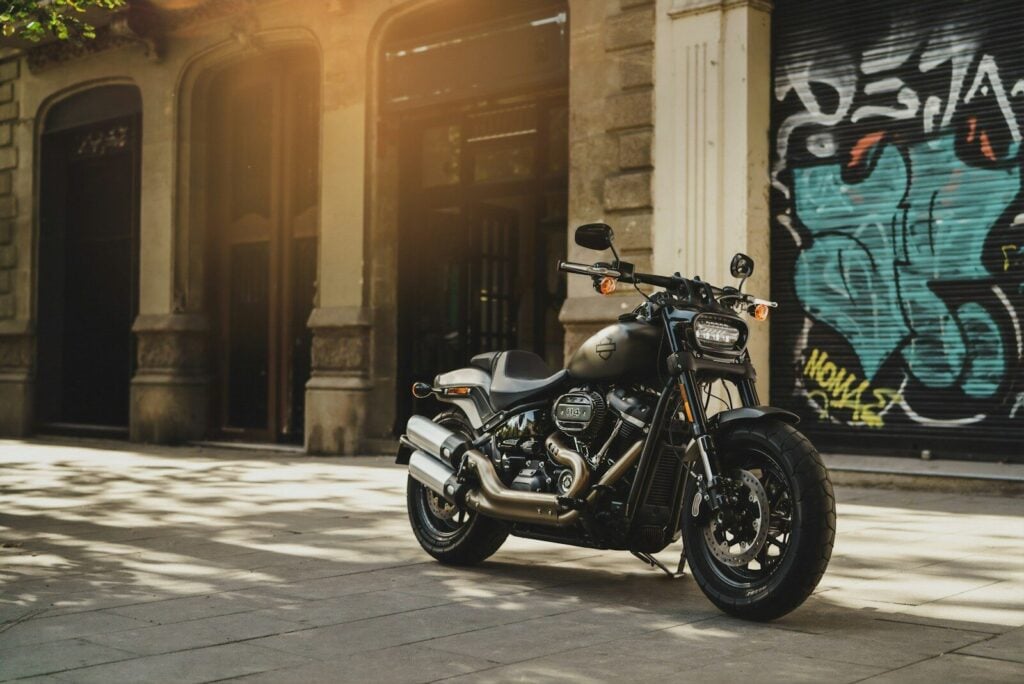
The most common bad decision in financing for Harley Davidson
Another bad choice is using structured products like Flex Financing without realistic ownership horizon estimates. If you expect to keep the motorcycle beyond the term, a big balloon plus uncertainty around residual value can hurt your finances later. Equally risky is over leveraging by taking ninety percent or higher funding when your emergency savings are thin.
Step by step process to pick the best option
Use a simple sequence for Harley Davidson finance
- Step 1: Define how long you realistically plan to keep this specific model.
- Step 2: Calculate maximum safe EMI from your monthly budget after all fixed obligations.
- Step 3: Fetch at least one HDFS quote, one bank or credit union quote, and one online lender quote.
- Step 4: Compute total payable for each option including all fees and insurance add ons.
- Step 5: Check prepayment and foreclosure penalties and model a one or two year early exit scenario.
- Step 6: Choose the option that balances total cost, flexibility, and realistic ownership horizon, not just the lowest EMI.
Which financing option usually makes sense
For most riders financing for Harley Davidson
If bank rates in your context are mediocre and HDFS runs targeted promotions on the model you want, OEM finance can be rational. Just ensure you understand the end of term logic, especially for any program with a large final payment, so you do not face surprises when the contract matures.


-

 Resources5 years ago
Why Companies Must Adopt Digital Documents
-

 Resources4 years ago
A Guide to Pickleball: The Latest, Greatest Sport You Might Not Know, But Should!
-

 Resources1 year ago
50 Best AI Free Tools in 2025 (Tried & Tested)
-

 Resources1 year ago
Get Paid $5000+ a month to write : Discover 30 Spectacular Websites That Reward Your Writing Effort